Investment

Hello LandBank

Detailed due diligence for selecting joint venture partners

Introduction Selecting the right joint venture partner is one of the most critical decisions in any large-scale industrial, real estate, or infrastructure development project. The long-term success of a joint venture depends not only on the economic and technical viability of the project but also on the alignment, competence, and reliability of the partners involved. Due diligence is the structured and...

Hello LandBank

Define equity contributions in industrial land developments

Introduction Equity contributions are foundational to the financial structure of industrial land developments, serving as the initial capital input by various stakeholders in a joint venture or development partnership. In large-scale industrial projects—such as logistics parks, special economic zones, integrated industrial estates, or warehousing corridors—equity contributions help fund land...

Hello LandBank

Explain dispute resolution in joint venture agreements

Introduction Dispute resolution is a vital component of joint venture agreements, ensuring that disagreements among partners are addressed in a structured, fair, and non-disruptive manner. In joint ventures—especially those in industrial development, real estate, infrastructure, or high-value commercial collaborations—partners bring different expectations, financial interests, operational roles,...

Hello LandBank

Introduction to exit strategies in developer partnerships

Introduction Exit strategies in developer partnerships are an essential component of the joint venture lifecycle, marking the transition from active project development to capital realization, operational handover, or partnership dissolution. Whether the partnership was formed to develop residential units, industrial parks, commercial estates, or mixed-use complexes, the exit phase represents the final...

Hello LandBank

Establish timelines for joint venture project completions

Introduction Timelines are critical to the planning, execution, and success of joint venture projects, particularly in sectors like real estate development, industrial infrastructure, and large-scale land transformation. A joint venture involves multiple partners—often landowners, developers, investors, and public entities—each contributing distinct resources and expecting defined outcomes within...

Hello LandBank

Describe negotiation points in developer joint ventures

Introduction Negotiation is a critical stage in structuring successful developer joint ventures, especially in complex and high-value real estate or industrial land projects. These ventures typically involve multiple stakeholders—such as landowners, developers, financial investors, and regulatory partners—who come together to achieve a shared development goal. A joint venture agreement governs this...

Hello LandBank

Briefly highlight partner roles in industrial land ventures

Introduction Industrial land ventures are collaborative undertakings that often require a coalition of partners with varying assets, expertise, and strategic interests. These ventures may involve transforming raw or underutilized land into fully functioning industrial parks, logistics hubs, manufacturing zones, or technology corridors. Due to the complexity and scale of such projects, successful...

Hello LandBank

Detailed review of joint venture funding methods

Introduction Funding is the lifeblood of any joint venture, particularly in capital-intensive industries such as real estate, infrastructure, energy, and industrial development. Joint venture funding methods are strategically designed to support project execution while distributing financial responsibilities and investment risk across participating partners. Unlike traditional single-entity financing,...

Hello LandBank

Define legal agreements in joint venture partnerships

Introduction Legal agreements form the backbone of joint venture partnerships, establishing the rules, responsibilities, and protections that govern collaboration between two or more parties. In joint ventures—particularly those involving land development, real estate, infrastructure, or industrial projects—partners bring different assets such as land, capital, technical expertise, or operational...

Hello LandBank

Explain risk sharing in joint venture developments

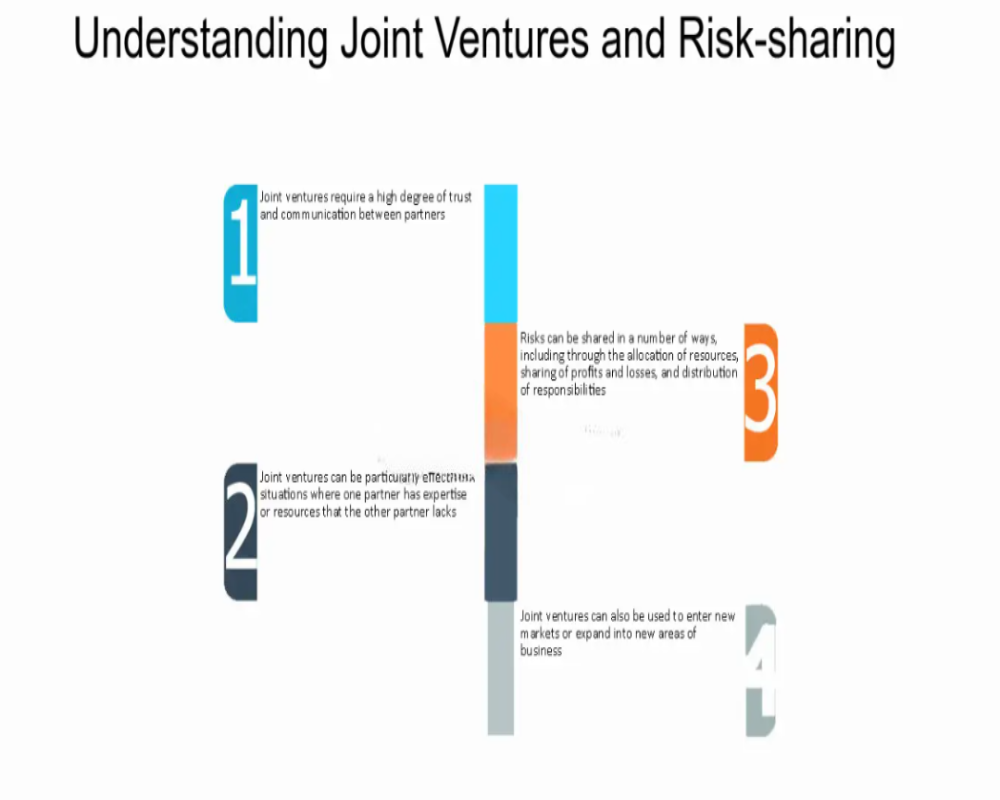
Introduction Risk sharing is a fundamental principle in joint venture developments, especially in complex and capital-intensive projects such as industrial estates, commercial hubs, real estate townships, or infrastructure corridors. In a joint venture, two or more parties come together to pool resources, expertise, and capital to pursue a common development goal. While the potential rewards are...

Compare listings

Compare