
Investment

Hello LandBank

Detailed process for foreign ownership approval in land deals

Introduction Foreign ownership of land is a sensitive and complex subject governed by national laws, strategic considerations, and economic priorities. In many countries, foreign individuals or entities wishing to purchase land must go through a regulated approval process that involves multiple stages of verification, documentation, and compliance. This is particularly true when the land in question is...

Hello LandBank

Define repatriation policies for industrial investment returns

Introduction When foreign investors channel funds into industrial projects across borders—such as setting up factories, acquiring industrial land, or investing in infrastructure—they expect to earn returns over time. These returns may come in the form of dividends, profits, interest, capital gains, or sale proceeds. Repatriation refers to the process of transferring these returns from the host...

Hello LandBank

Explain currency risk in foreign land investments

Introduction Investing in land abroad has become increasingly popular among individuals, institutional investors, and multinational companies seeking to diversify their portfolios and tap into high-growth markets. However, while the prospects of foreign land investments can be lucrative, they come with a set of financial uncertainties—one of the most significant being currency risk. Also known as...

Hello LandBank

Introduction to political risk management in emerging markets

Introduction Emerging markets offer vast opportunities for investors, multinational corporations, and development initiatives due to their high growth potential, abundant natural resources, and expanding consumer bases. However, these benefits often come with a higher degree of uncertainty, especially in the political realm. Political risk refers to the possibility that political decisions, events, or...

Hello LandBank

Establish due diligence protocols for foreign land investors

Introduction Due diligence protocols are essential for foreign investors aiming to acquire land for industrial, commercial, or strategic purposes in overseas markets. These protocols provide a structured process to investigate, verify, and evaluate legal, financial, regulatory, and operational risks associated with cross-border land transactions. For foreign land investors, due diligence goes beyond...

Hello LandBank

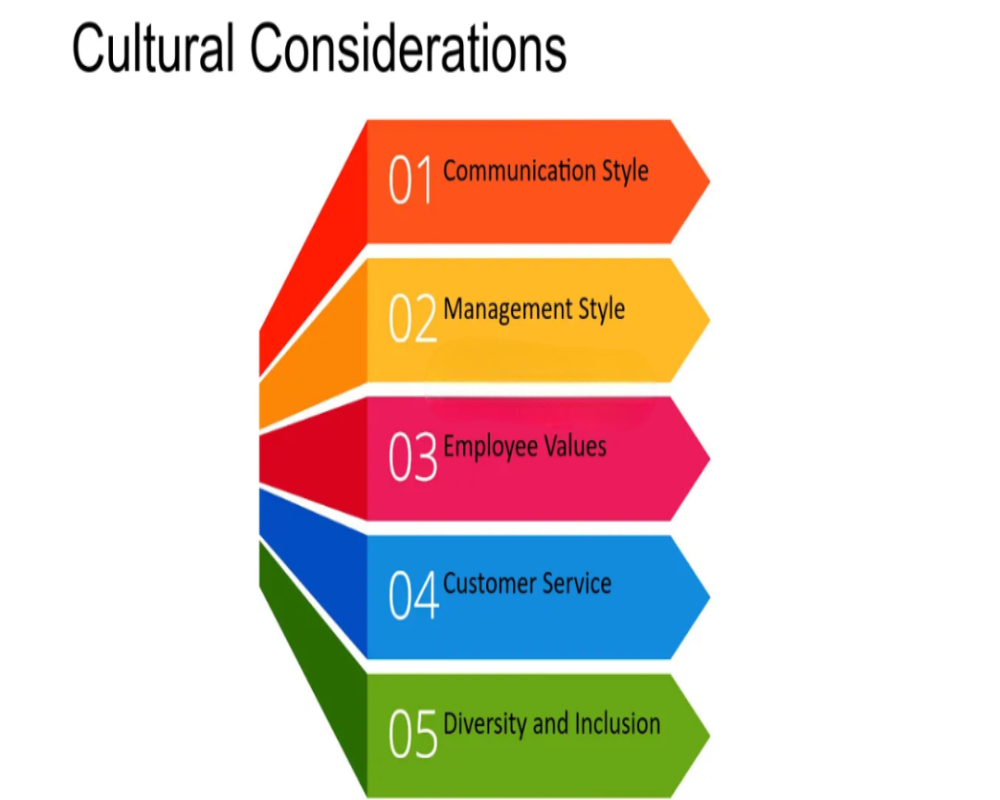
Describe cultural considerations in emerging industrial markets

Introduction Cultural considerations are a critical, though often underestimated, component of successful industrial investment in emerging markets. For foreign investors venturing into developing economies—whether for acquiring industrial land, establishing manufacturing operations, or forming joint ventures—understanding and respecting local cultural norms, business etiquette, labor practices,...

Hello LandBank

Briefly highlight financing options for cross-border investors

Introduction Financing options for cross-border investors have expanded significantly in recent years, allowing individuals, corporations, and institutional players to participate in global industrial and real estate ventures with greater flexibility, security, and strategic alignment. For foreign investors seeking to acquire or develop industrial land in overseas markets, financing is not limited to...

Hello LandBank

Detailed checklist for foreign industrial land acquisitions

Introduction Acquiring industrial land in a foreign country is a complex, multi-layered process that requires not only financial commitment but also legal, regulatory, and strategic preparedness. Foreign investors must navigate a variety of risks, administrative procedures, and local practices to ensure their investment is secure, compliant, and well-positioned for long-term operational and financial...

Hello LandBank

Define market entry strategies for foreign land buyers

Introduction Market entry strategies for foreign land buyers encompass the structured approaches and decision-making frameworks that international investors use to acquire, lease, or develop land assets in foreign countries. These strategies are not merely transactional—they reflect a broader alignment of investment goals, regulatory compliance, partnership structures, risk mitigation, and long-term...

Hello LandBank

Explain government incentives for foreign land investments

Introduction Government incentives for foreign land investments are a central feature of national strategies to attract capital, technology, and industrial development. These incentives are crafted to enhance the competitiveness of a country’s investment environment by reducing entry barriers, lowering operational costs, and accelerating project timelines. In the context of industrial land, foreign...

Compare listings

Compare