
Investment

Hello LandBank

Explain permitting requirements for brownfield transformation

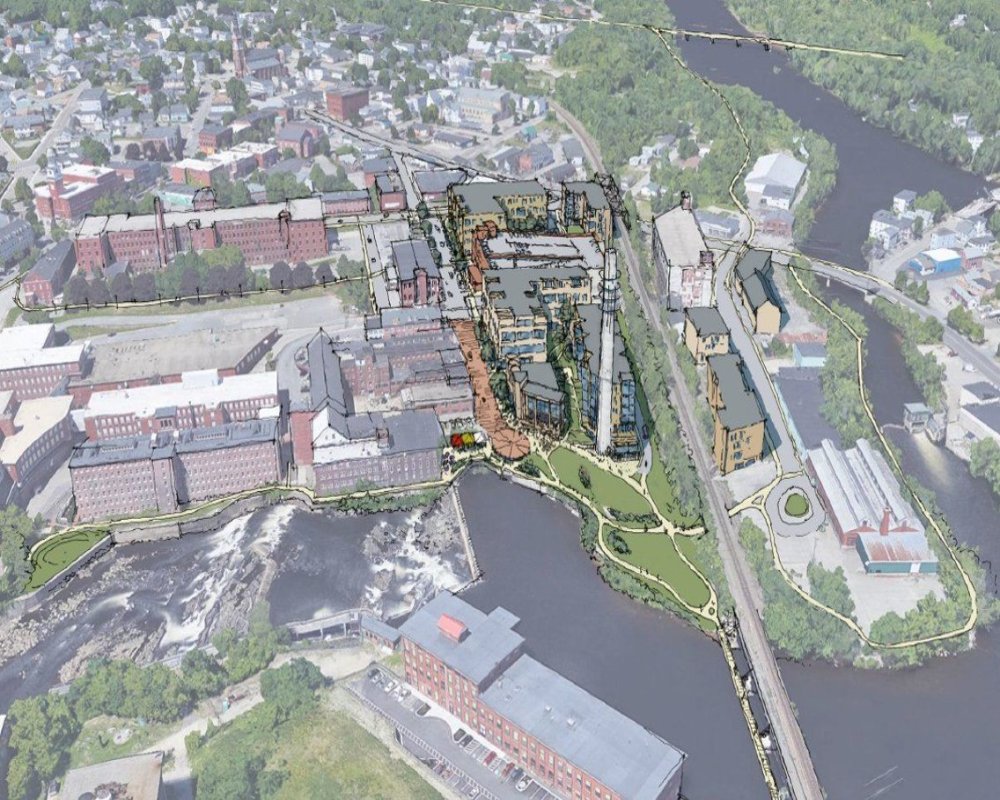
Introduction Permitting requirements are a core element of brownfield transformation, shaping how contaminated or underutilized properties are legally converted into functional spaces for industrial, commercial, residential, or mixed-use development. These permits serve as formal approvals from governmental agencies, ensuring that redevelopment plans meet environmental, safety, land use, and building...
Hello LandBank

Introduction to risk mitigation in brownfield deals

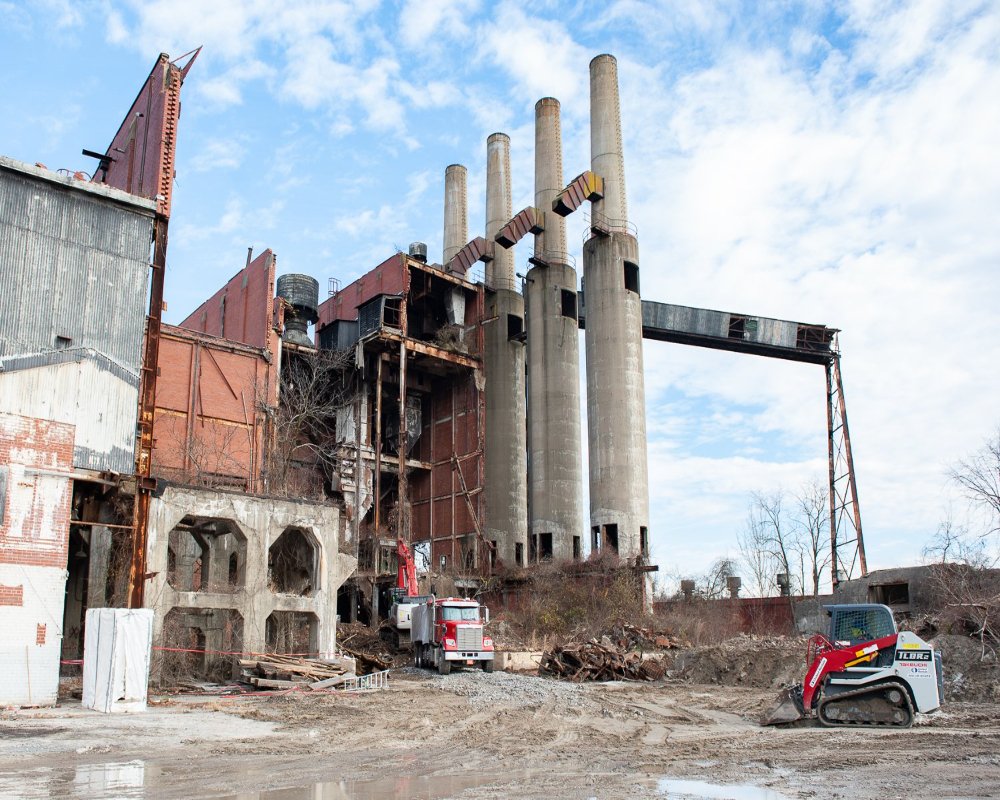
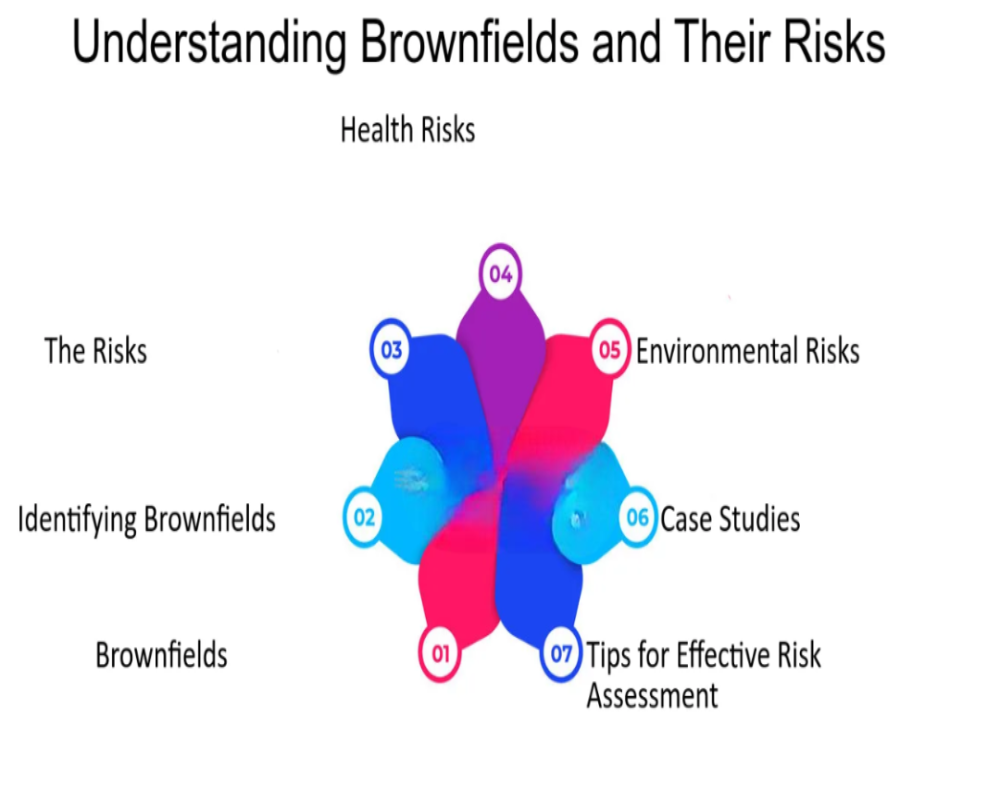
Introduction Risk mitigation is a foundational element in the planning and execution of brownfield redevelopment projects. Brownfield deals involve the acquisition and transformation of land that has been previously used for industrial, commercial, or other high-impact purposes and may be burdened by environmental contamination, legal uncertainties, infrastructure deficiencies, and complex regulatory...

Hello LandBank

Establish economic benefits of converting brownfield sites

Introduction Converting brownfield sites into productive assets is a powerful economic strategy that revitalizes underutilized land while stimulating local and regional development. These sites, often abandoned or environmentally compromised due to past industrial or commercial use, are frequently located in areas with existing infrastructure and urban connectivity. By investing in the cleanup and...

Hello LandBank

Describe community impact from brownfield redevelopment efforts

Introduction Brownfield redevelopment has become a powerful catalyst for urban renewal, economic development, and environmental restoration. These efforts involve transforming formerly contaminated, abandoned, or underutilized industrial and commercial sites into productive assets. While the primary focus of brownfield projects often centers on land recovery and real estate development, their ripple...

Hello LandBank

Briefly outline tax incentives for brownfield investors

Introduction Tax incentives play a critical role in encouraging investment in brownfield redevelopment projects. These incentives help offset the high upfront costs typically associated with environmental assessments, remediation, infrastructure upgrades, and regulatory compliance. Governments at various levels—municipal, state, and national—offer targeted tax relief to attract private capital,...

Hello LandBank

Detailed analysis of brownfield land value recovery

Introduction Brownfield land value recovery is a critical concept in the economics of real estate redevelopment, especially in post-industrial regions where disused, contaminated, or underutilized sites lie dormant. Once regarded as liabilities due to environmental hazards and legal entanglements, brownfield lands are increasingly seen as strategic assets with the potential for long-term value...

Hello LandBank

Define liability issues in brownfield industrial conversions

Introduction Liability concerns are among the most significant challenges facing developers, investors, and property owners involved in brownfield industrial conversions. These projects typically involve the transformation of previously used or contaminated sites into functional spaces for modern industrial, commercial, or mixed-use development. While the environmental, economic, and social benefits of...

Hello LandBank

Explain site assessment for brownfield investment decisions

Introduction Site assessment is a foundational process in brownfield investment decision-making, enabling investors and developers to evaluate the feasibility, risks, and value of acquiring and redeveloping previously used land. Brownfield sites, which often bear remnants of past industrial or commercial activity, are known for their potential contamination and complex regulatory histories. A detailed...

Hello LandBank

Introduction to funding brownfield redevelopment projects

Introduction Brownfield redevelopment projects play a crucial role in revitalizing underutilized or contaminated lands, transforming them into vibrant commercial, industrial, or residential assets. While the potential social, environmental, and economic benefits of such projects are substantial, the path to redevelopment is often marked by high costs and significant financial risks. Remediation...

Hello LandBank

Establish due diligence in brownfield acquisition planning

Introduction Acquiring a brownfield site for redevelopment demands a rigorous and structured due diligence process. Brownfield properties, often characterized by their past industrial or commercial use, come with layers of complexity including potential environmental contamination, legal uncertainties, regulatory obligations, and infrastructure deficiencies. Due diligence is the systematic process of...

Compare listings

Compare