Investment

Hello LandBank

Establish risk factors for foreign industrial land investors

Introduction Investing in industrial land across foreign territories can offer substantial rewards, including long-term capital appreciation, access to growing markets, operational cost advantages, and participation in strategic economic zones. However, these opportunities are accompanied by a range of risk factors that can affect investment viability, operational performance, and expected returns. For...
Hello LandBank

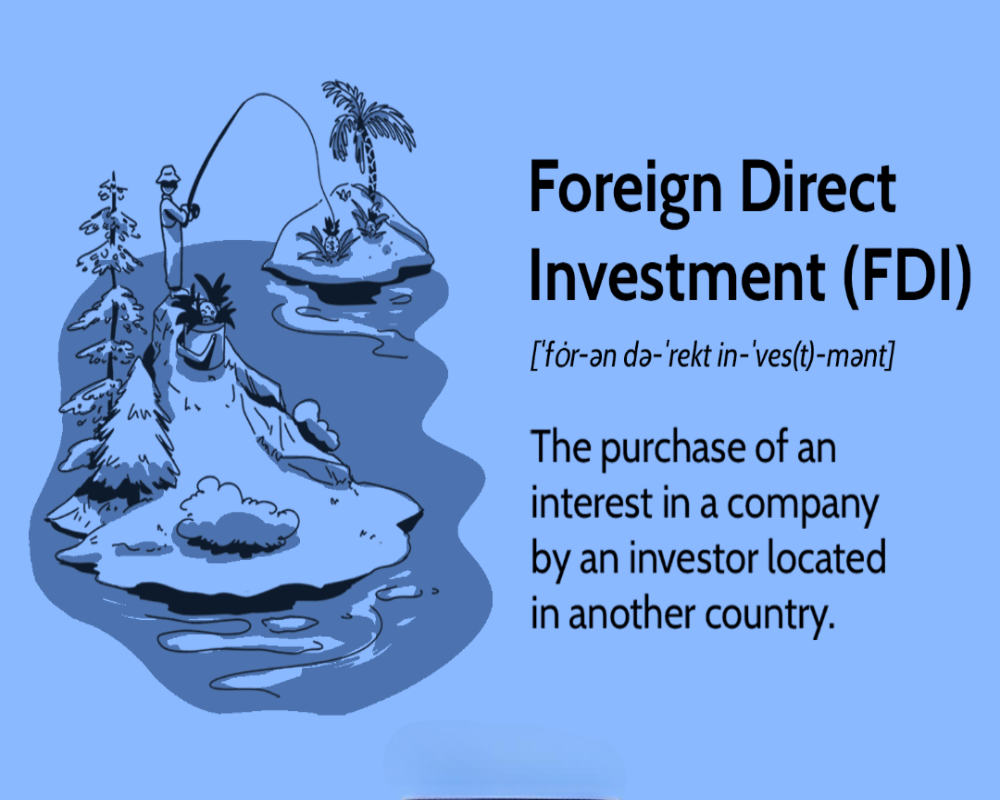
Introduction to foreign direct investment in industrial land

Introduction Foreign Direct Investment (FDI) in industrial land represents one of the most significant enablers of economic transformation in developing and transitioning economies. It refers to cross-border capital flows where a foreign entity establishes or expands its industrial footprint in another country by acquiring, leasing, or co-developing land for manufacturing, logistics, infrastructure, or...

Hello LandBank

Describe opportunity hotspots for foreign industrial investors

Introduction Opportunity hotspots for foreign industrial investors are rapidly evolving zones—geographic, economic, and sectoral—where conditions are highly favorable for investment in manufacturing, logistics, industrial land development, and related infrastructure. These hotspots are emerging in response to shifting global supply chains, technological diffusion, regulatory liberalization, and...

Hello LandBank

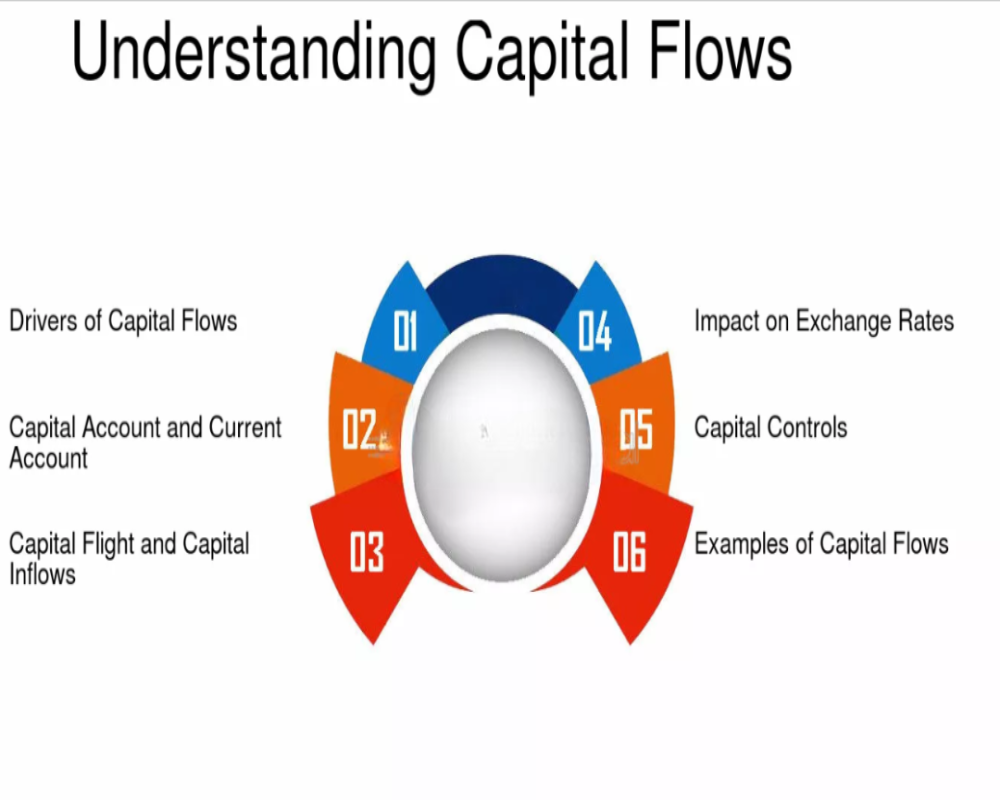
Briefly describe capital flow trends in emerging land markets

Introduction Capital flow trends in emerging land markets reflect a broader transformation in global investment behavior, where investors seek diversification, higher yields, and early entry into high-growth economies. As mature real estate and industrial markets in developed countries face saturation, compressed returns, and mounting regulatory constraints, capital is increasingly shifting toward...

Hello LandBank

Detailed overview of foreign investment regulations in industrial sectors

Introduction Foreign investment regulations in industrial sectors play a pivotal role in shaping the global landscape for manufacturing, infrastructure development, and industrial expansion. As governments around the world seek to balance economic liberalization with national security, job creation, and strategic autonomy, regulatory frameworks governing foreign direct investment (FDI) have become...

Hello LandBank

Define emerging markets in industrial land investment

Introduction Emerging markets in industrial land investment refer to geographic regions or national economies that are in the process of rapid industrialization, infrastructure development, and economic reform, offering high-growth potential and increasing appeal to both domestic and foreign investors. These markets are typically characterized by rising demand for manufacturing facilities, logistics...

Hello LandBank

Explain foreign investor interest in emerging industrial markets

Introduction Foreign investor interest in emerging industrial markets has grown significantly over the past decade, driven by shifting global supply chains, rising operational costs in mature economies, technological advancements, and strategic policy reforms in developing nations. These emerging markets offer a potent mix of advantages—large domestic demand, affordable labor, improving...

Hello LandBank

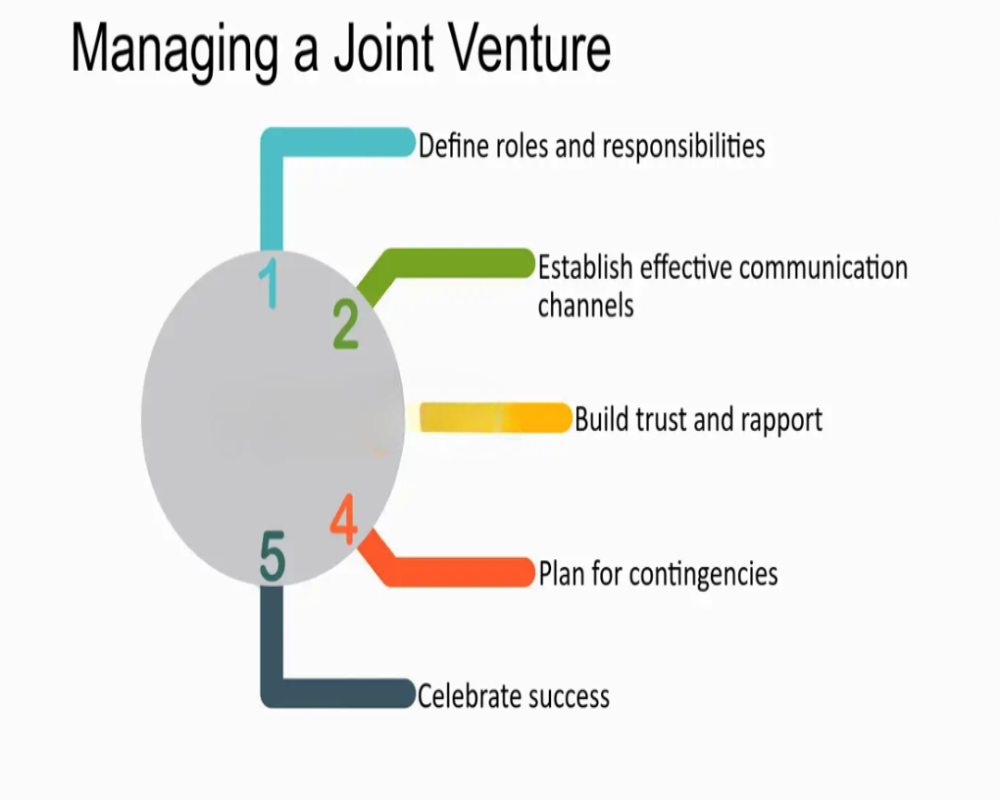
Establish monitoring systems for joint venture project success

Introduction Monitoring systems are vital to the long-term success of joint venture (JV) projects, especially in complex and capital-intensive domains such as industrial development, infrastructure, real estate, and large-scale land transformation. Joint ventures bring together diverse partners—such as landowners, developers, investors, and public institutions—each with distinct roles,...

Hello LandBark

Describe tax implications of joint venture structures

Introduction The tax implications of joint venture structures play a crucial role in determining the financial efficiency, compliance obligations, and long-term viability of the partnership. In industrial, real estate, and infrastructure development ventures, the chosen legal and operational structure directly influences how income is taxed, how deductions are claimed, and how distributions are treated...

Hello LandMark

Briefly outline asset management in joint venture projects

Introduction Asset management in joint venture projects is the strategic oversight and operational control of project assets to ensure long-term value creation, efficient use of resources, and alignment with the goals of all participating partners. While joint ventures are often initiated for project development—such as industrial parks, commercial complexes, infrastructure corridors, or real estate...

Compare listings

Compare