Investment

Hello LandBank

 What parcel dimensions allow efficient subdivision for industrial use?

For developers planning to subdivide land into multiple industrial plots, the initial parcel dimensions must support efficient layout design, infrastructure alignment, and regulatory compliance. Well-proportioned parent parcels reduce waste, improve vehicular circulation, and accommodate varying tenant sizes without costly redesign. Below are the key dimension criteria for efficient industrial land...
Hello LandBank

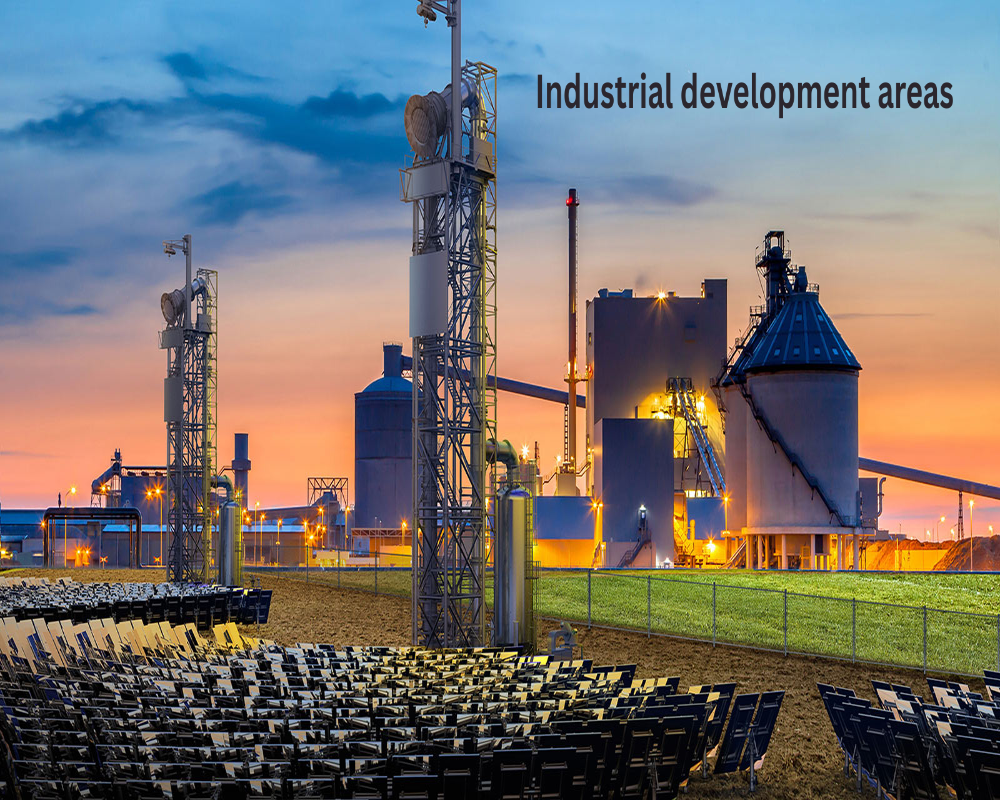
 What community pushback risks emerge in industrial development areas?

When planning or proposing industrial development, especially in or near mixed-use or transitioning zones, community pushback can emerge as a significant obstacle. This resistance, driven by social, environmental, or economic concerns, can delay approvals, increase compliance burdens, or even derail projects if not addressed early and effectively. Below are the key categories of community opposition...

Hello LandBank

 What public-private partnership opportunities fund infrastructure buildout?

Public-Private Partnerships (PPPs) offer structured opportunities for developers, industrial park promoters, and local governments to collaboratively fund and execute infrastructure projects such as roads, utilities, drainage, and common amenities. These models reduce upfront costs, mitigate financial risk, and enable access to government support while ensuring timely infrastructure delivery. Below are...

Hello LandBank

 What soil stability allows for high-load building foundations?

The stability and load-bearing capacity of soil directly affect the design and durability of industrial buildings, particularly those with heavy machinery, multi-ton storage loads, or multi-floor manufacturing units. Soil with poor stability increases foundation costs and structural risk, whereas stable soil enables safer, more economical construction. Below are the key soil conditions and...

Hello LandBank

What site control strategies protect against speculative buyer interference?

When assembling or marketing industrial land for phased development or targeted tenant acquisition, speculative buyer activity—such as flipping, price manipulation, or non-operational ownership—can disrupt planning, reduce genuine user interest, and inflate holding risks. To maintain control over the site's development intent, developers and landowners must use strategic legal and contractual...

Hello LandBank

What industrial park design features improve tenant lease-up success?

For an industrial park to attract and retain tenants efficiently, it must go beyond zoning and utility readiness. The design layout, flexibility, and functionality of the park play a critical role in increasing lease-up speed, tenant satisfaction, and long-term occupancy rates. Well-planned parks create operational ease, cost efficiency, and future-proofing for diverse users. Below are the key design...

Hello LandBank

 What stormwater management requirements apply to large-scale industrial tracts?

Large-scale industrial developments are subject to strict stormwater management regulations to prevent flooding, pollution, erosion, and non-compliance with local environmental laws. Proper design and infrastructure must handle peak rainfall events, protect downstream ecosystems, and meet planning and pollution control board standards. Below are the key stormwater management requirements typically...

Hello LandBank

 What site topography affects road layout and building placement?

Site topography plays a crucial role in determining how internal roads, buildings, utilities, and drainage systems are designed on an industrial or commercial parcel. It directly impacts construction feasibility, earthwork cost, vehicle circulation, and compliance with safety and zoning codes. Below are the main topographic features that influence road and building layout decisions: 1. Slope...

Hello LandBank

 What environmental due diligence must be completed before development planning?

Before initiating industrial or commercial development, environmental due diligence is critical to ensure legal compliance, site safety, and investment protection. It helps identify existing liabilities, regulatory requirements, and environmental risks that could delay or halt the project. Below are the key categories of environmental due diligence that must be completed before development planning...

Hello LandBank

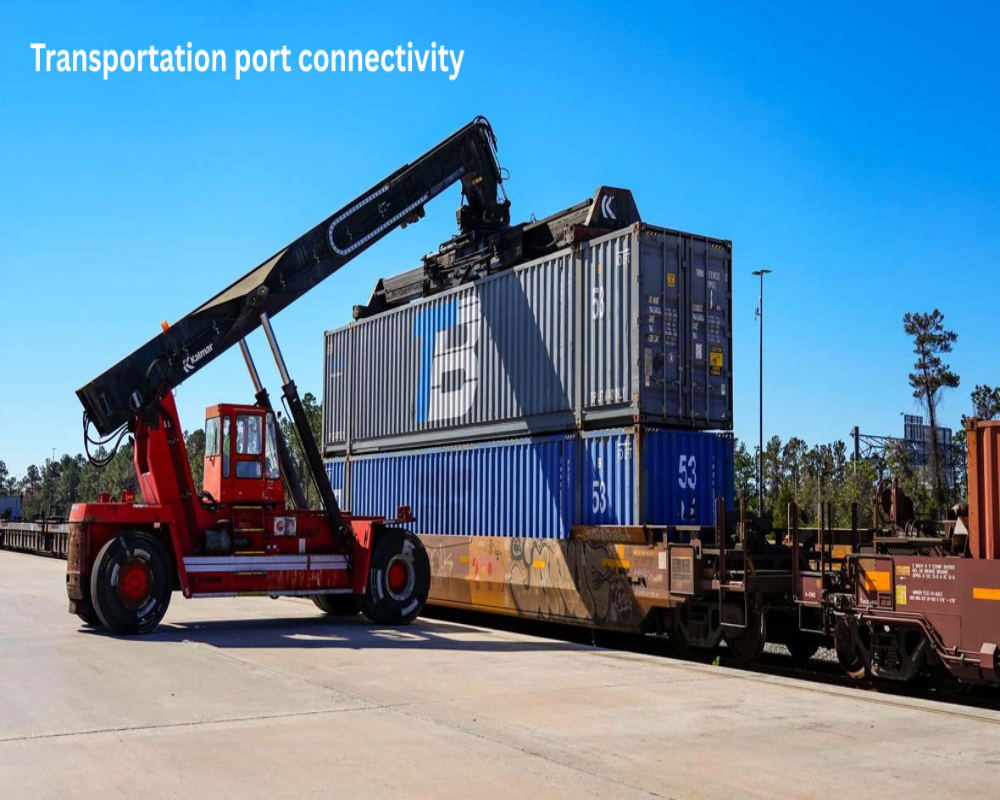
What transportation access supports truck, rail, or port connectivity?

For industrial and logistics tenants, efficient transportation access is a key driver of site selection. A location that supports multi-modal connectivity—including trucks, rail freight, and port access—not only reduces operating costs but also enhances delivery timelines, compliance, and scalability. Below are the specific access metrics and features that support a strong industrial transportation...

Compare listings

Compare