Investment

Hello LandBank

 What utility capacity meets the needs of multiple large tenants?

For an industrial park or a multi-tenant development to operate efficiently, it must be equipped with utility infrastructure capable of supporting high-demand users simultaneously. Utility capacity planning must consider not only initial consumption but also scalability, redundancy, and compliance with statutory norms. Below are the key utility categories and the capacities typically required to serve...

Hello LandBank

 What nearby infrastructure upgrades enhance the site’s long-term value?

Infrastructure development surrounding a land parcel significantly enhances its long-term value, especially for industrial and commercial uses. These upgrades reduce operational costs, increase accessibility, attract tenants, and support faster permitting or financing. Below are the key types of nearby infrastructure improvements that increase a site's long-term attractiveness and market value: 1....

Hello LandBank

 What zoning classifications allow for flexibility across multiple industrial uses?

Zoning classifications that permit a broad range of industrial activities are essential for developers, investors, and operators seeking land use flexibility. These flexible industrial zones allow for light, medium, and in some cases, heavy industrial uses, as well as ancillary commercial and logistics functions—all within a single legal framework. Below are the key zoning classifications that...

Hello LandBank

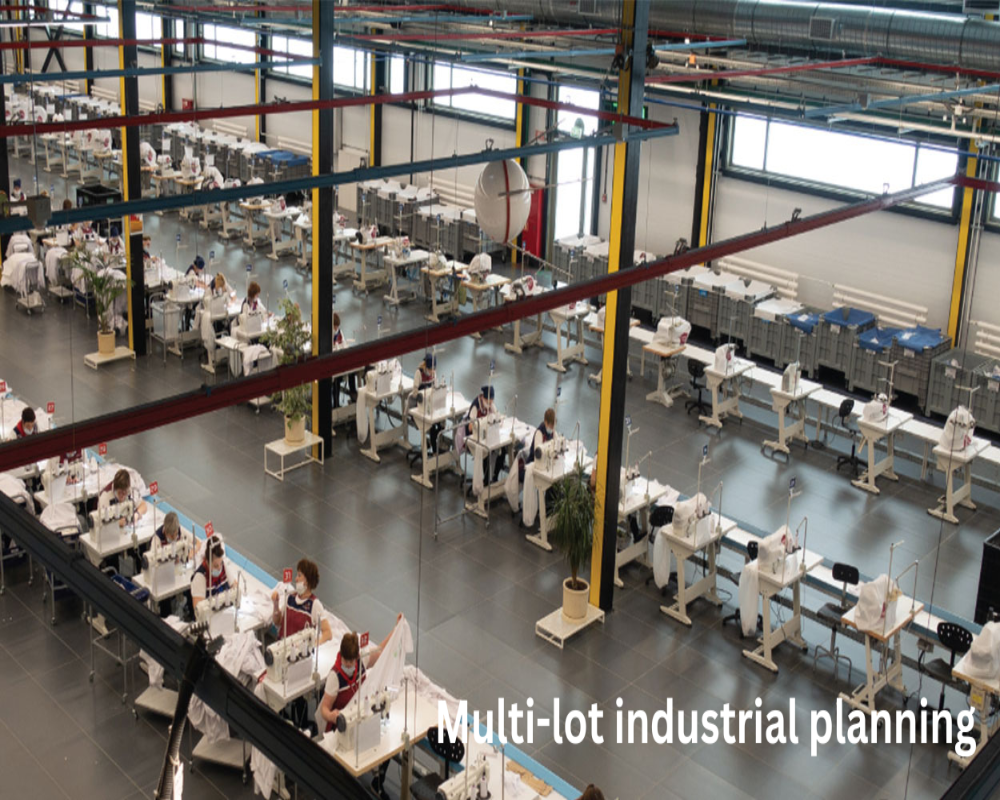
What regional absorption rates justify multi-lot industrial planning?

Absorption rate is a key metric in industrial land development that indicates how quickly parcels are sold or leased in a given region. When planning a multi-lot industrial layout—typically ranging from 5 to 50+ plots—developers and investors must evaluate absorption trends to ensure timely returns and minimize holding costs. Below are the key absorption benchmarks and indicators that justify...

Hello LandBank

What location metrics attract national logistics or manufacturing tenants?

When evaluating land for large-scale industrial development, national logistics and manufacturing tenants rely on specific location metrics that affect operational efficiency, cost competitiveness, and long-term scalability. These metrics are used by decision-makers in site selection, due diligence, and lease/purchase negotiations. Below are the key location-based metrics that attract high-value...

Hello LandBank

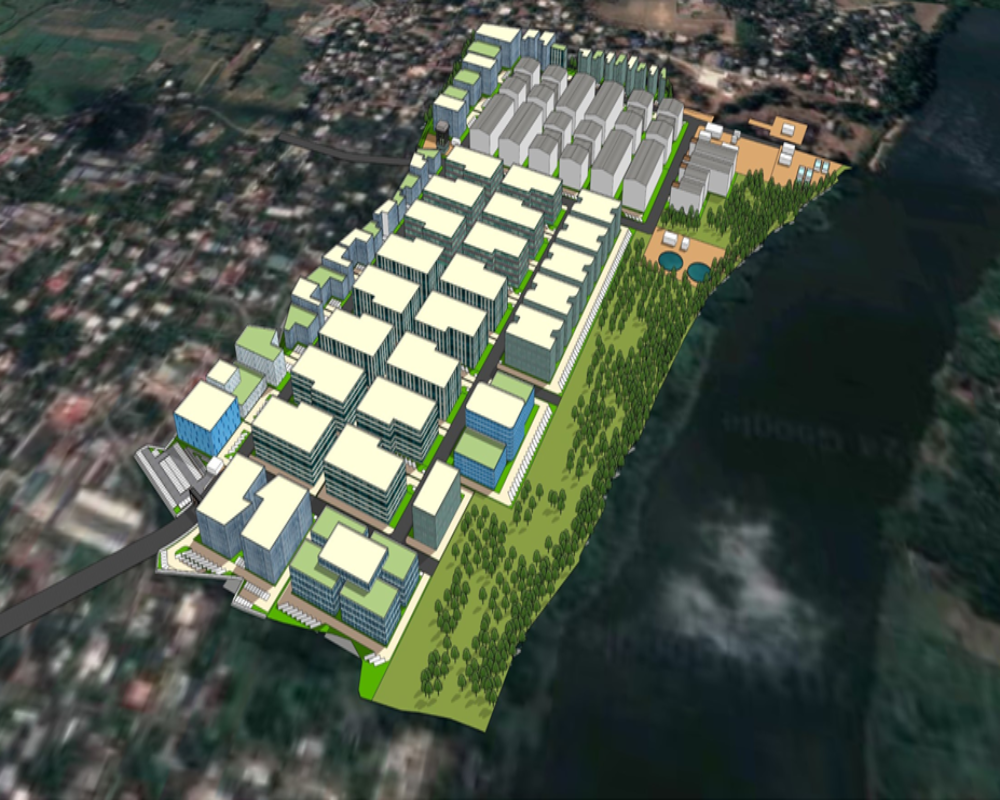
 What acreage minimum supports phased industrial park development?

The successful development of an industrial park—especially in phased stages—requires a parcel with sufficient size to accommodate infrastructure, multiple units, utility corridors, and future expansion. The minimum acreage depends on intended use (light vs. heavy industry), type of users (MSME vs. large-scale), and regulatory requirements. Below are the key considerations for determining the...

Hello LandBank

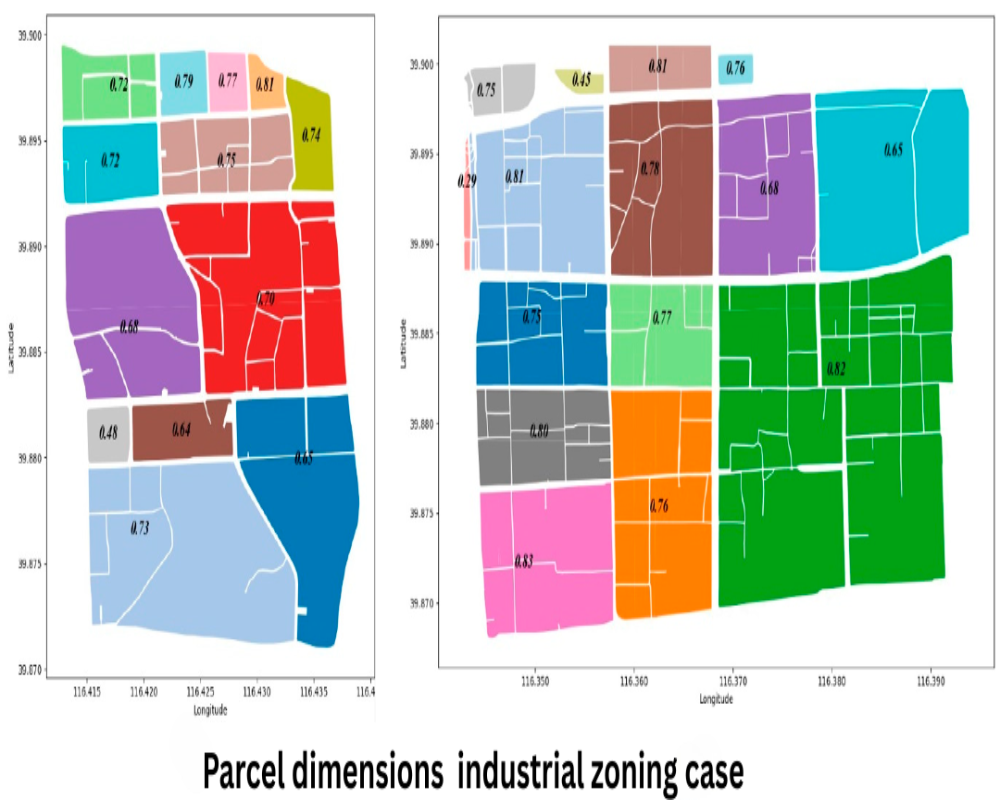
 What parcel dimensions and access support an industrial zoning case?

When applying for industrial zoning, parcel size, shape, and access features play a major role in influencing approval decisions by planning authorities. These physical attributes determine how well the land can accommodate industrial operations, infrastructure, and safety regulations. Well-suited dimensions and road connectivity help demonstrate the parcel’s viability for industrial use. Below are...

Hello LandBank

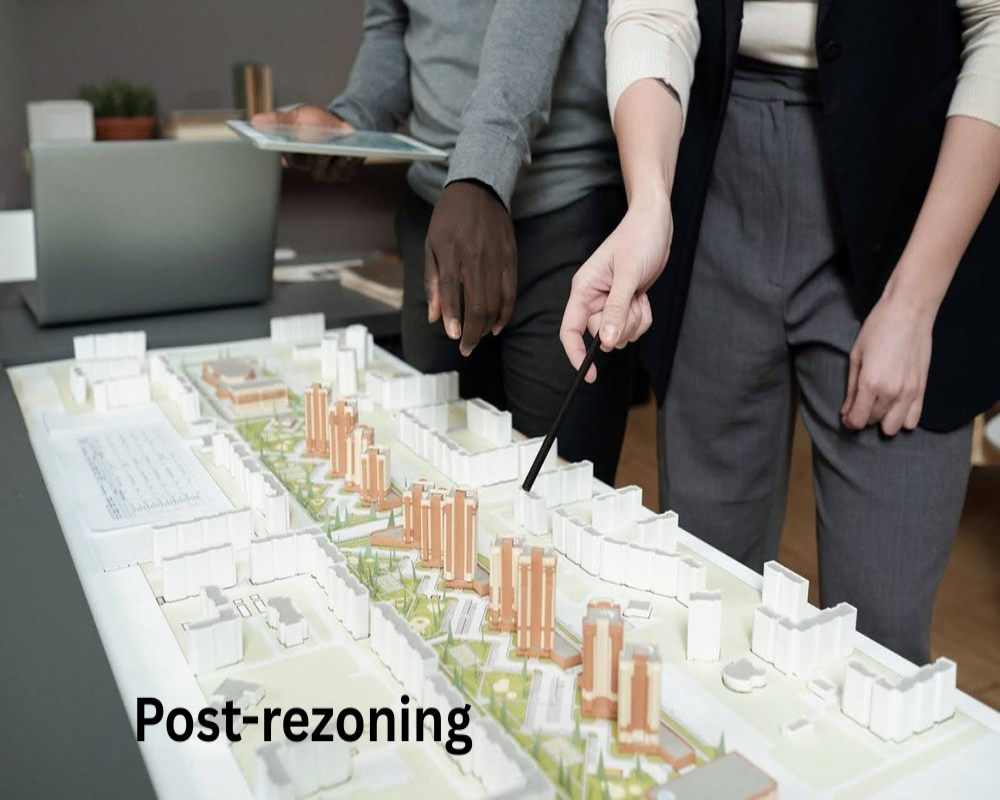
 What conditional use approvals or variances may still be required post-rezoning?

Even after successful rezoning, a land parcel is not always free for immediate development. Depending on the zoning regulations, site characteristics, and proposed activities, you may still need to secure conditional use approvals or variances to proceed legally and in compliance with planning laws. Below are the main categories where such post-rezoning entitlements may apply: 1. Conditional Use...

Hello LandBank

 What legal risks exist if rezoning is denied after acquisition?

Purchasing land with the expectation of a future rezoning—especially from agricultural or residential to industrial or commercial use—carries inherent legal and financial risks. If the rezoning application is denied by planning authorities, the buyer may face a range of consequences that affect development feasibility, asset liquidity, and regulatory compliance. Below are the major legal risks...

Hello LandBank

What neighboring parcels already benefit from a similar zoning change?

Identifying nearby properties that have successfully undergone a similar zoning change strengthens your rezoning case. These precedents demonstrate compatibility, community acceptance, and planning authority approval trends. Below are five key aspects to evaluate when assessing neighboring parcels with similar zoning conversions: 1. Recorded Zoning Map Amendments Check local planning or...

Compare listings

Compare