
Investment

Hello LandBank

What historical uses contributed to the site’s brownfield designation?

A brownfield designation typically indicates that a site, such as a parcel of industrial land,  has a history of contamination or hazardous activity that could complicate redevelopment or resale. Identifying the historical uses that led to this classification is essential for understanding cleanup requirements, legal exposure, and regulatory compliance. Below are five common categories of historical...
Hello LandBank

Define self-storage land development in the commercial investment context

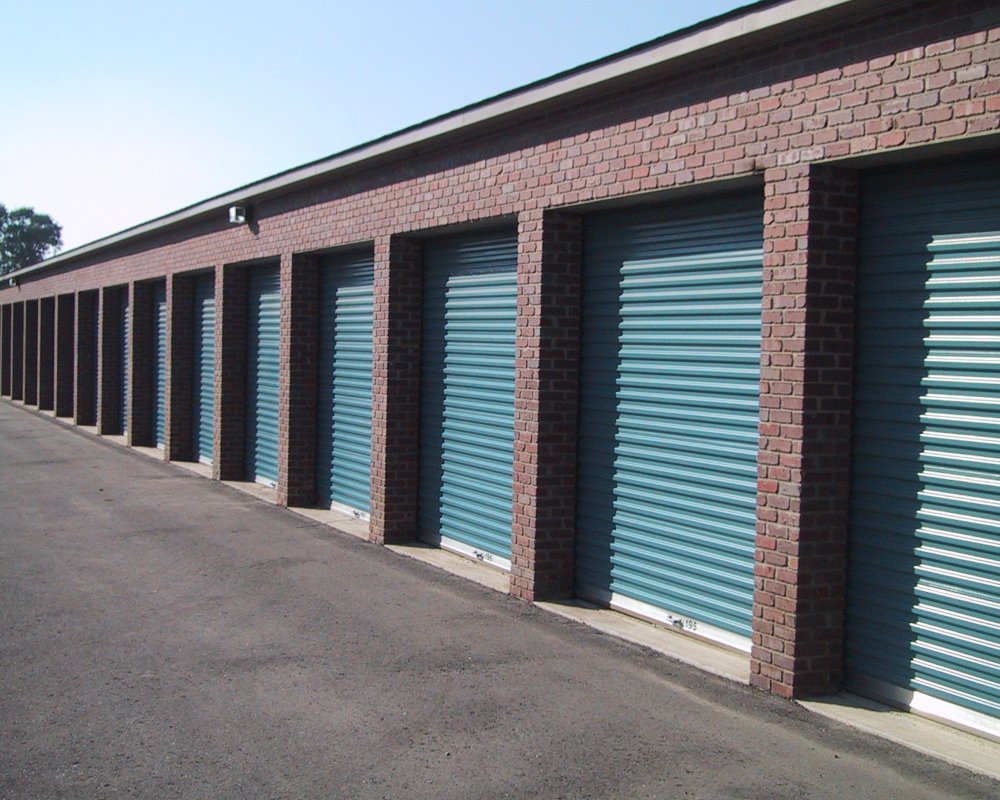
Defining Self-Storage Land Development in Commercial Investment Context Introduction Self-storage land development has emerged as a resilient and attractive asset class within the broader landscape of commercial real estate investment. It involves acquiring, planning, and constructing facilities where individuals and businesses can rent storage units for personal belongings, inventory, records, or...

Hello LandBank

What cost-effective actions reposition the site for industrial use or resale?

Repositioning a distressed or underutilized land parcel for industrial use or resale does not always require heavy capital investment. Several cost-effective actions can enhance the site's functional appeal, compliance status, and marketability. These steps focus on improving access, documentation, and perception—laying the groundwork for development or attracting buyers. Below are five key action...

Hello LandBank

Introduction to operator partnerships in hotel land deals

Introduction to Operator Partnerships in Hotel Land Deals Introduction In hotel development, forming strategic partnerships with experienced operators is a critical factor in transforming land into a viable hospitality asset. An operator partnership involves a collaboration between a landowner or developer and a hotel management company or brand that brings operational expertise, global recognition,...

What infrastructure needs must be addressed before subdivision approval?

Before a planning authority grants subdivision approval for industrial land, developers must demonstrate that core infrastructure can support each subdivided lot. This includes road access, utility capacity, drainage systems, and public safety provisions. The infrastructure must be designed according to local zoning codes, engineering standards, and regulatory conditions. Below are the key...

Hello LandBank

What frontage requirements apply to each new industrial parcel?

Frontage requirements are a critical component of industrial subdivision design, as they ensure each lot has safe and sufficient access to the internal road network for truck movement, firefighting, and utility connections. These standards are typically set by local planning authorities and vary by zoning type, lot size, and intended use. Below are the key frontage requirements that generally apply to...

Hello LandBank

What site layout optimizes truck movement across multiple lots?

Designing an industrial subdivision for efficient truck circulation is essential to ensure smooth logistics operations, reduce congestion, and maintain safety. An optimized layout allows large commercial vehicles to access, maneuver, and exit multiple lots without reversing hazards, turning delays, or bottlenecks. Below are the key layout features and planning principles that optimize truck movement...

Hello LandBank

 What subdivision approval steps are required by the planning authority?

Subdivision of land for industrial use must follow a structured approval process set by the local or state planning authority (e.g., DTCP, CMDA, MIDC, SIPCOT). This process ensures that all subdivided plots comply with zoning, infrastructure, safety, and access regulations. Approvals must be secured before marketing, leasing, or developing individual lots. Below are the typical steps involved in...

Hello LandBank

 What access easements must be created to serve all subdivided lots?

When land is subdivided for industrial use, especially in multi-lot layouts, access easements are crucial for ensuring that each parcel has legal, physical, and operational access to internal roads, utilities, and emergency services. These easements protect against future disputes, maintain infrastructure flow, and are often mandated by local planning regulations. Below are the key categories of access...

Hello LandBank

What local zoning codes regulate minimum lot sizes for industrial subdivisions?

Local zoning codes, usually issued by municipal planning authorities or state development bodies, prescribe minimum lot size requirements for subdividing land into industrial plots. These requirements ensure that each lot meets standards for accessibility, setbacks, infrastructure, and usage classification. Below are the key regulatory components organized under five essential subtitles: 1. Applicable...

Compare listings

Compare