

Investment

Hello LandBank

Establish investor interest in distressed land markets

Introduction Investor interest in distressed land markets has grown steadily as real estate stakeholders seek undervalued opportunities with high return potential. Distressed land, often offered at reduced prices due to financial, legal, or regulatory complications, presents a gateway for strategic acquisition and long-term profit. These markets appeal to investors who are prepared to resolve issues,...
Hello LandBank

Introduction to distressed industrial property investment approach

Introduction Distressed industrial property investment involves acquiring industrial assets that are underperforming, under litigation, financially encumbered, or neglected. These properties are often available at below-market rates due to their problematic nature but offer significant potential for recovery and profit through resolution and redevelopment. Investors drawn to this segment typically seek...

Hello LandBank

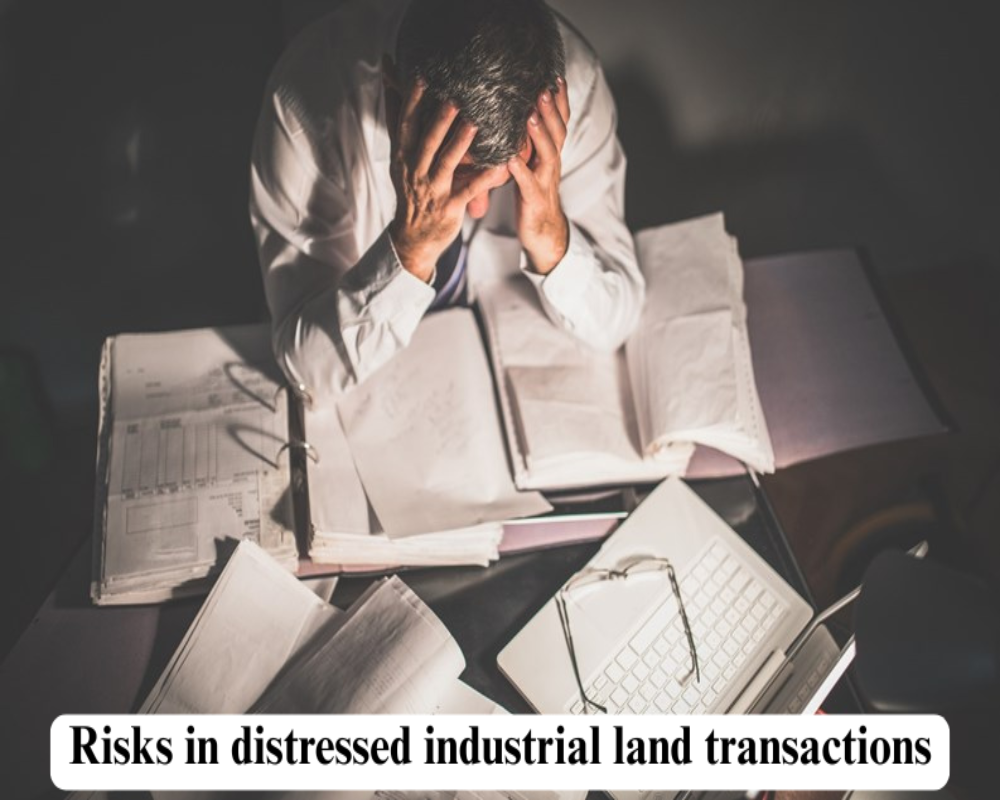
Describe risks in distressed industrial land transactions

Introduction Distressed industrial land transactions offer attractive pricing and redevelopment potential but come with a range of risks that must be carefully evaluated. These risks often stem from legal ambiguity, financial complications, environmental concerns, or structural neglect. Investors pursuing such opportunities must balance the promise of high returns against the likelihood of delays,...

Hello LandBank

Briefly describe purchase strategies for distressed land

Introduction Purchasing distressed land involves acquiring real estate that is under legal, financial, or physical stress, often at a reduced cost. These lands present lucrative investment opportunities for those who understand how to assess risks, conduct due diligence, and structure deals carefully. Effective purchase strategies balance low acquisition costs with clear plans for rehabilitation, legal...

Hello LandBank

Detailed review of distressed industrial land valuation methods

Introduction Valuing distressed industrial land requires a specialized approach that accounts for financial irregularities, legal challenges, and physical or regulatory impairments. Unlike standard valuation, distressed land demands closer scrutiny of risks, costs of rehabilitation, and market conditions. These properties are often undervalued due to pending dues, non-compliance, or litigation, yet...

Hello LandBank

Define distressed land in industrial real estate context

Introduction Distressed land in the industrial real estate context refers to parcels of land that are under financial, legal, or regulatory stress and are typically sold below market value. These lands may face issues such as ownership disputes, unpaid taxes, non-compliance with zoning norms, or abandonment due to lack of development. While they pose certain risks, distressed industrial lands also...

Hello LandBank

Explain opportunities in distressed industrial land acquisition

Introduction Distressed industrial land refers to properties that are available for sale below market value due to financial difficulties, legal complications, or lack of development by the existing owner. These parcels often arise from defaults, liquidation, non-compliance, or abandonment. While they carry inherent risks, they also offer significant opportunities for investors and developers who are...

Hello LandBank

Detailed comparison of flipping versus long-term holding

Introduction In the realm of land and industrial property investment, two dominant strategies prevail—flipping and long-term holding. Each approach caters to different investor profiles, risk appetites, financial goals, and market conditions. Flipping involves acquiring land with the intent to sell quickly at a profit, often within a short time frame. Long-term holding, by contrast, is about...

Hello LandBank

Briefly discuss due diligence before land flipping

Introduction Due diligence is the backbone of any successful land flipping venture. It refers to the careful examination and verification of all aspects of a land parcel before committing to a purchase. In the world of speculative land flipping, where speed and profit are priorities, neglecting due diligence can lead to legal complications, financial losses, and failed investments. A thorough review of...

Hello LandBank

Define exit strategies in speculative industrial flipping

Introduction Exit strategies in speculative industrial flipping refer to the planned methods through which investors sell or dispose of their industrial land parcels to realize profits. These strategies are essential components of a successful flipping model, helping investors convert their holdings into liquid capital. Unlike long-term development, speculative flipping focuses on value appreciation...

Compare listings

Compare