Investment

Hello LandBank

Describe value drivers for successful land flipping

Introduction Land flipping is a real estate strategy focused on buying land at a low price and selling it at a higher price within a short to medium period. This approach, often used in emerging areas or transitioning zones, relies heavily on various factors known as value drivers. These drivers influence the resale potential and determine how quickly and profitably the land can be flipped. Successful...

Hello LandBank

Briefly highlight flipping trends in emerging industrial zones

Introduction Flipping trends in emerging industrial zones have become a focal point for real estate investors seeking high returns within short holding periods. These zones, often located on the outskirts of growing cities or near planned infrastructure corridors, offer ideal conditions for buying and reselling undeveloped land. Investors capitalize on announcements of industrial parks, logistic hubs,...

Hello LandBank

Detailed checklist for flipping raw industrial land

Introduction Flipping raw industrial land involves purchasing undeveloped land at a lower cost, enhancing its value through legal, planning, or infrastructural improvements, and then selling it for a profit. This strategy is common in fast-growing industrial corridors, peri-urban areas, or regions anticipating future development due to infrastructure expansion, zoning changes, or policy support. Unlike...

Hello LandBank

Define holding period in speculative land investments

Introduction The holding period in speculative land investments refers to the length of time an investor retains ownership of a land parcel before reselling it for a profit. This period plays a vital role in determining the overall return on investment, tax liabilities, and financial strategy. In speculative land deals, the goal is to buy low and sell high based on expected future appreciation due to...

Hello LandBank

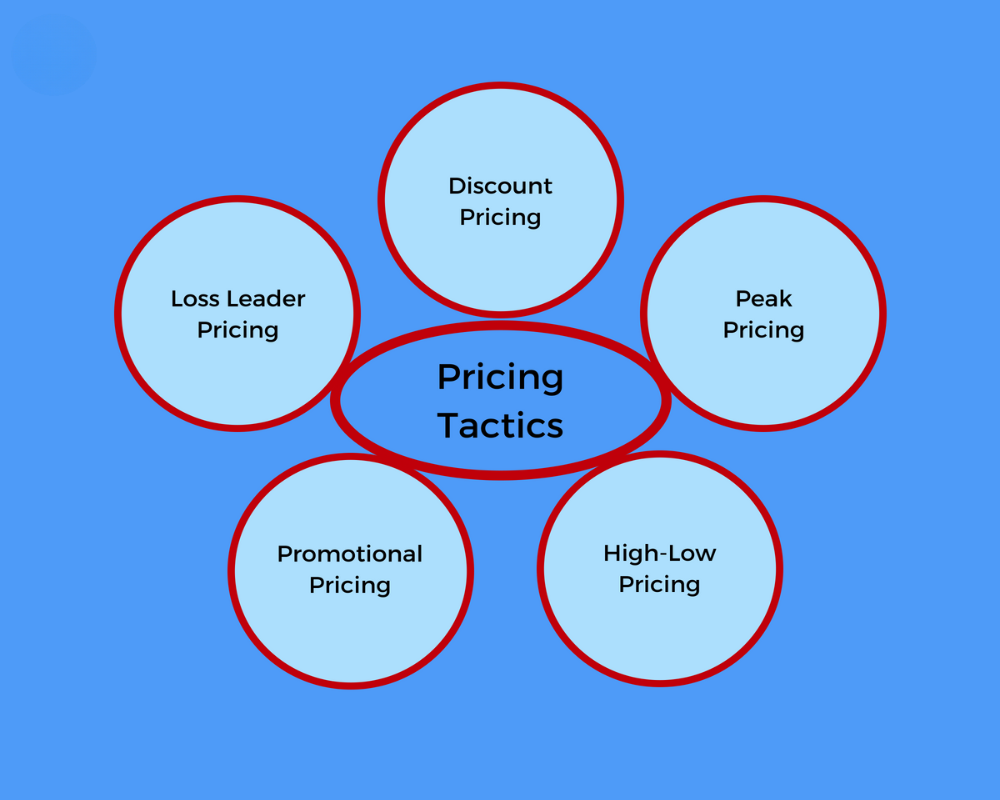
Explain pricing tactics for industrial land flipping

Introduction Pricing is one of the most critical elements in industrial land flipping. It determines the speed of resale, the size of profit margins, and the overall success of the investment. Industrial land, unlike residential or commercial properties, is valued based on multiple technical and economic factors such as location, access, zoning status, and demand from manufacturers or logistics...

Hello LandBank

Establish quick resale methods for flipped land

Introduction Quick resale of flipped land is the key to maintaining profitability and reducing financial risks in speculative real estate strategies. Once a land parcel is purchased with the intent to flip, the focus shifts to ensuring a swift and efficient exit. Holding the land for too long increases costs such as taxes, loan interest, and missed opportunities in other deals. To achieve rapid resale,...

Hello LandBank

Introduction to flipping undeveloped industrial plots

Introduction Flipping undeveloped industrial plots is a real estate strategy focused on buying raw, industrial-zoned land and reselling it at a higher price, often within a short time frame. This method appeals to investors looking for high returns without engaging in full-scale development. The process capitalizes on market demand, upcoming infrastructure, policy changes, and urban expansion. While it...

Hello LandBank

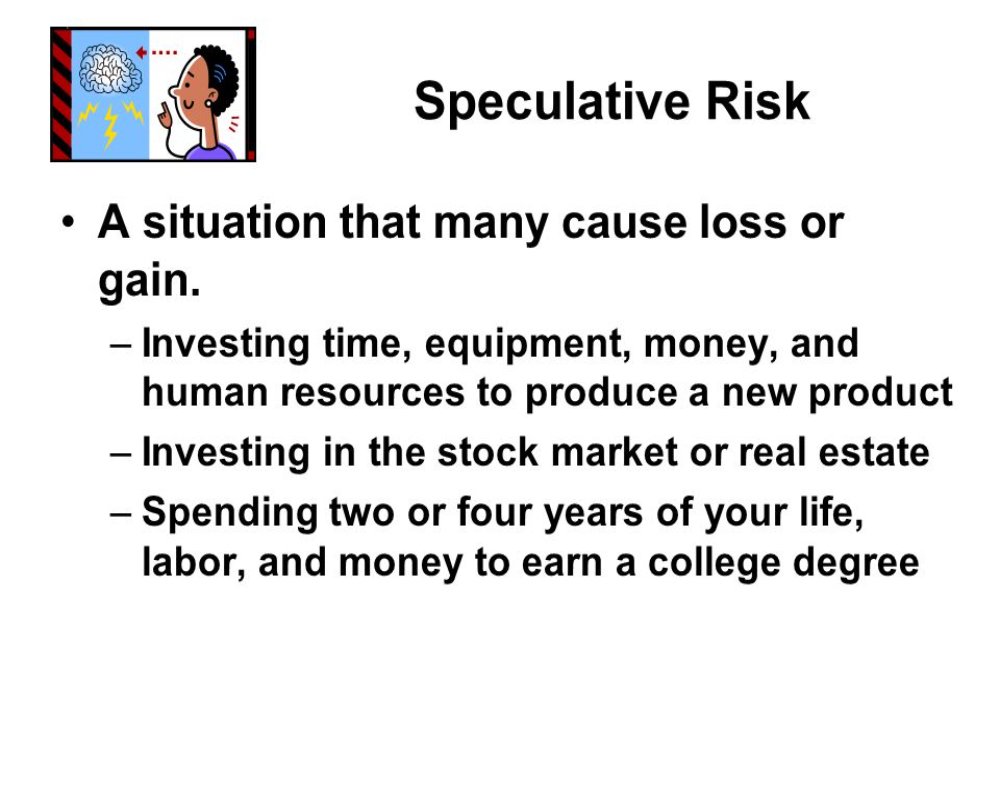
Describe risks involved in speculative industrial land flipping

Introduction Speculative industrial land flipping is a high-risk, high-reward investment strategy where investors purchase industrial-zoned land with the expectation of a rapid increase in value. The goal is to resell the land within a short timeframe for profit, without developing or leasing it. While this approach can yield significant returns, especially in emerging industrial corridors, it is...

Hello LandBank

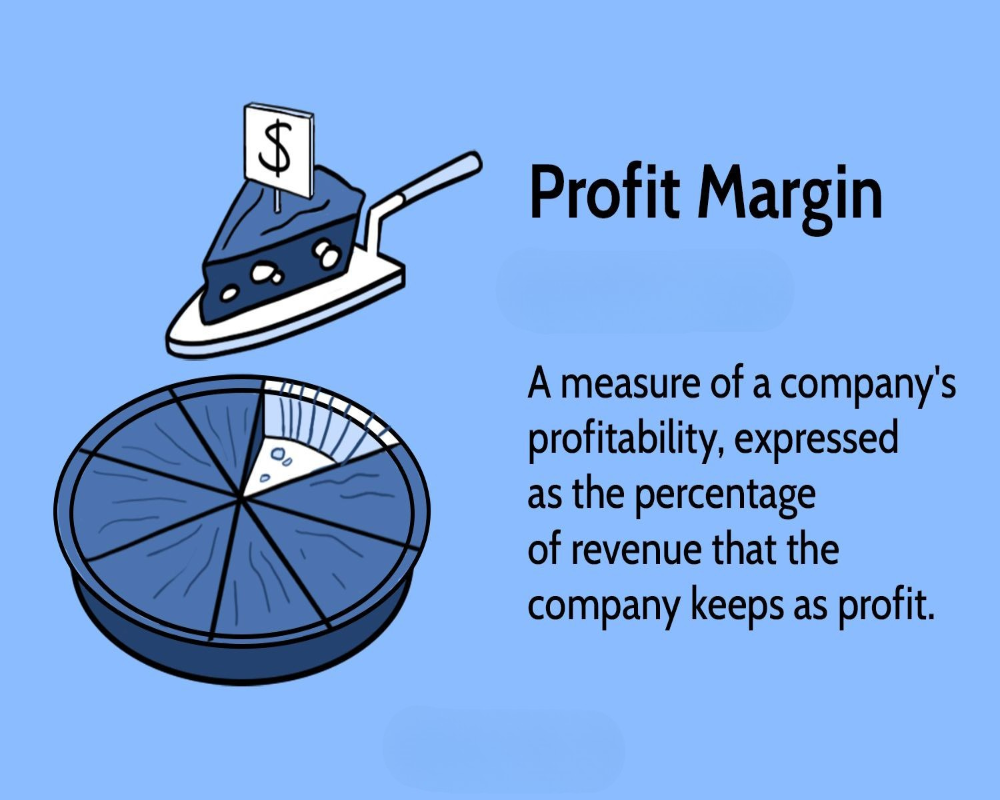
Briefly describe profit margins in land flipping deals

Introduction Profit margins in land flipping are among the most critical indicators of success for real estate investors. Land flipping involves buying land at a low price and reselling it at a higher price within a short timeframe, usually without any major development. The profitability of such ventures depends on multiple factors including location, market timing, demand trends, and holding costs....

Hello LandBank

Detailed timeline of speculative industrial land transactions

Introduction Speculative industrial land transactions follow a structured but opportunistic timeline designed to maximize capital gains through buying and reselling undeveloped or underutilized industrial land. Unlike traditional development or leasing strategies, these transactions are driven by anticipated appreciation due to market movements, infrastructure projects, or policy changes. Each phase in...

Compare listings

Compare