Investment

Hello LandBank

Briefly explore exit options after lease periods end

Introduction In a build and lease real estate model, the end of the lease period represents a critical juncture for property owners and investors. After years of steady rental income, the conclusion of a lease opens a range of strategic possibilities—each with different financial implications, operational commitments, and market dynamics. Exit planning should begin well before the lease period ends...
Hello LandBank

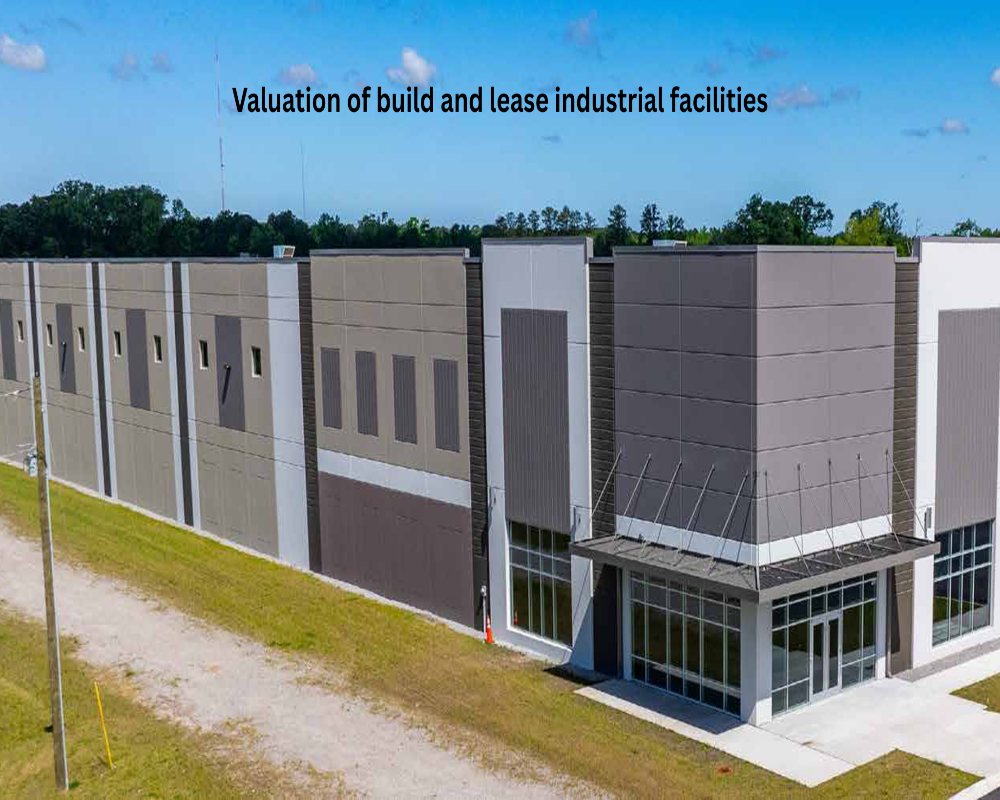
Detailed valuation of build and lease industrial facilities

Introduction Valuing build and lease industrial facilities requires a nuanced and multi-dimensional approach, as these assets combine both real estate value and income-generating potential. Industrial properties under build and lease arrangements are often custom-designed for tenants, with long-term leases and specialized infrastructure, which adds layers of complexity to their valuation. Accurate...

Hello LandBank

Define capital investment needs in build and lease projects

Introduction Capital investment is the financial foundation of any build and lease project. In the context of industrial and commercial real estate, such projects require significant upfront funding to plan, design, construct, and deliver purpose-built facilities tailored to tenant requirements. Unlike conventional property acquisitions, build and lease models demand proactive capital deployment at...

Hello LandBank

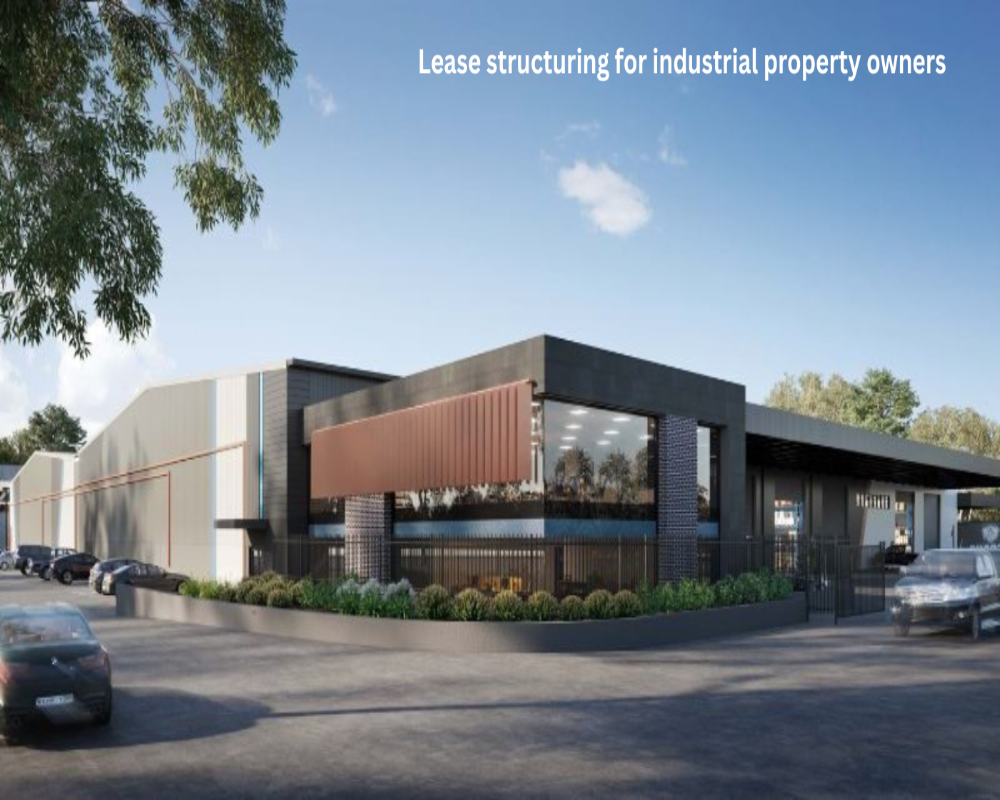
Explain lease structuring for industrial property owners

Introduction Lease structuring is a critical component of industrial property ownership and plays a pivotal role in determining the long-term success and profitability of an asset. For industrial property owners, whether dealing with warehouses, manufacturing units, logistics hubs, or distribution centers, a well-structured lease ensures predictable income, minimizes vacancy risks, and clearly defines...

Hello LandBank

Introduction to risk mitigation in build and lease deals

Introduction In the realm of industrial and commercial real estate, build and lease deals have become a strategic investment model. This approach allows developers or investors to construct properties tailored to the needs of a specific tenant and then lease them out for a stable, long-term income stream. While the model offers clear advantages in terms of custom-built assets and predictable revenue,...

Hello LandBank

Establish partnerships with tenants for facility development

Introduction In today’s evolving industrial and commercial real estate landscape, developers and investors are increasingly moving beyond the traditional landlord-tenant relationship. A more collaborative approach is gaining momentum—one where partnerships are formed with tenants during the facility development process. These tenant-developer partnerships allow for tailored design, shared...

Hello LandBank

Describe advantages of build and lease investment models

Introduction The build-to-lease investment model has gained prominence in the real estate and infrastructure sectors, particularly in industrial and commercial developments. In this approach, investors or developers construct buildings or infrastructure tailored to the specific needs of future tenants and then lease the property for long-term income. This model combines real estate development with...

Hello LandBank

Briefly highlight financing methods for build and lease projects

Introduction Build and lease projects are a critical component of industrial and commercial real estate development, where a developer constructs a facility tailored to a tenant’s specifications and leases it for a predetermined period. This model provides advantages for both the developer, who secures a long-term tenant before construction begins, and the tenant, who obtains a purpose-built property...

Hello LandBank

Detailed checklist for build and lease facility development

Introduction Build-to-lease facility development is a strategic real estate approach where a developer constructs a customized industrial facility tailored to a tenant’s requirements and leases it under a long-term agreement. This model benefits both parties by ensuring the tenant receives an operationally suitable space while the developer gains consistent rental income. However, the success of such...

Hello LandBank

Define occupancy rates for build and lease properties

Introduction Occupancy rates are a vital performance metric in the real estate industry, particularly for build and lease industrial properties. They represent the proportion of leasable space that is currently occupied by tenants, providing insight into the asset’s financial stability and market appeal. For developers and investors, a high occupancy rate indicates steady rental income and effective...

Compare listings

Compare