
Introduction
Capital investment is the financial foundation of any build and lease project. In the context of industrial and commercial real estate, such projects require significant upfront funding to plan, design, construct, and deliver purpose-built facilities tailored to tenant requirements. Unlike conventional property acquisitions, build and lease models demand proactive capital deployment at multiple stages before income generation begins. Understanding the scope, timing, and structure of capital investment is essential for developers, investors, and institutional stakeholders looking to reduce risk and maximize return on such long-term ventures.
Initial Land Acquisition and Legal Costs
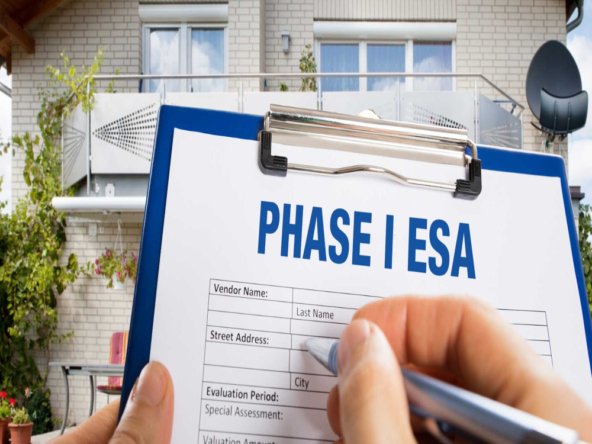
The first layer of capital investment in a build and lease project begins with land acquisition. This includes the purchase price of the land, stamp duties, registration charges, and legal fees. The location and zoning of the land play a crucial role in determining its suitability for industrial or commercial use, which in turn impacts the cost. In some cases, developers may choose to lease land from government authorities or industrial development boards, but this too involves upfront deposits and administrative expenses. Legal due diligence is critical at this stage to confirm clear titles, permissible land use, and environmental compliance, all of which require dedicated capital.
Planning, Design, and Approval Expenses
Once the land is secured, the next major area of capital investment is planning and obtaining approvals. This phase includes the costs of hiring architects, structural engineers, and consultants to create detailed project designs that comply with regulatory and tenant-specific requirements. Additional capital is needed to navigate municipal permissions, environmental clearances, fire safety certifications, and other statutory approvals. Although often underestimated, these soft costs can significantly impact overall project expenditure and must be allocated early in the financial planning process.
Construction and Infrastructure Development
The most substantial portion of capital investment is dedicated to construction. This includes all materials, labor, site development, foundation work, superstructure, roofing, and interior fit-outs. Infrastructure elements such as roads, drainage systems, electricity connections, water supply, and sanitation must also be constructed to meet industrial-grade standards. Depending on the complexity of the tenant’s operations, the building may require specialized features such as high load-bearing floors, climate control, dust-free environments, or automated systems. The capital required for this phase is typically released in tranches linked to construction milestones and progress reports.
Tenant-Specific Fit-Outs and Customization
In build and lease arrangements, tenants often request specific customizations to suit their operational needs. These could include mezzanine floors, heavy machinery foundations, high-bay racking systems, or advanced loading docks. The costs of such customizations are either borne by the developer or shared with the tenant, depending on the lease agreement. This segment of capital investment requires precise budgeting and clear agreement on scope, quality standards, and ownership of these additions at the end of the lease term.
Contingency and Risk Buffers
Every project carries unforeseen risks, whether in the form of material cost inflation, labor shortages, weather-related delays, or regulatory changes. A prudent build and lease investment plan includes a contingency buffer, typically ranging between five to ten percent of the total project cost. This ensures that unexpected cost escalations do not derail the project or delay delivery, which could compromise lease obligations and erode profitability.
Financing and Interest Costs
Capital investment also includes financing costs if the project is funded through debt or a combination of debt and equity. Interest during construction (IDC), processing fees, and loan service charges form part of the capital outlay. In projects with staggered tenant commitments, the developer may face working capital pressure before rental income starts flowing. Accurate forecasting of interest obligations and timing of tenant rent commencement is essential to manage cash flow effectively.
Operational Readiness and Handover
Towards the final stages of the project, capital is required to prepare the site for occupancy. This includes landscaping, signage, safety systems, testing of utilities, and compliance inspections. The property must meet all contractual standards before the tenant takes possession. Capital investment at this stage, although relatively smaller, plays a crucial role in ensuring smooth handover and upholding the developer’s reputation.
Technology and Automation Systems
In modern build and lease projects, particularly in warehousing and logistics, tenants demand smart facility management systems, surveillance infrastructure, energy-efficient lighting, and automated access control. Investing in such technologies enhances the marketability of the property and meets evolving industrial expectations. These costs are often included in the capital investment plan, especially for high-value or multinational tenants with specific ESG or digital integration mandates.
Conclusion
Capital investment in build and lease projects is a multi-layered, strategic process that spans from land acquisition to final handover. It involves a series of planned financial inputs across legal, technical, construction, tenant coordination, and operational readiness phases. To ensure success, developers must accurately assess total investment needs, allocate funds wisely, and maintain financial discipline throughout the project lifecycle. A clear understanding of capital requirements not only reduces financial risk but also enhances investor confidence and tenant satisfaction, paving the way for a profitable and sustainable build-to-lease venture.
Hashtags
#CapitalInvestment #BuildAndLease #RealEstateDevelopment #InvestmentStrategy #ProjectFinance #ConstructionFunding #LeaseProjects #FinancialPlanning #AssetManagement #InfrastructureInvestment #CommercialRealEstate #PropertyDevelopment #InvestmentNeeds #FinancialAnalysis #RealEstateInvestment #CapitalAllocation #ProjectManagement #InvestmentOpportunities #EconomicDevelopment #FundingSolutions