Investment

Hello LandBank

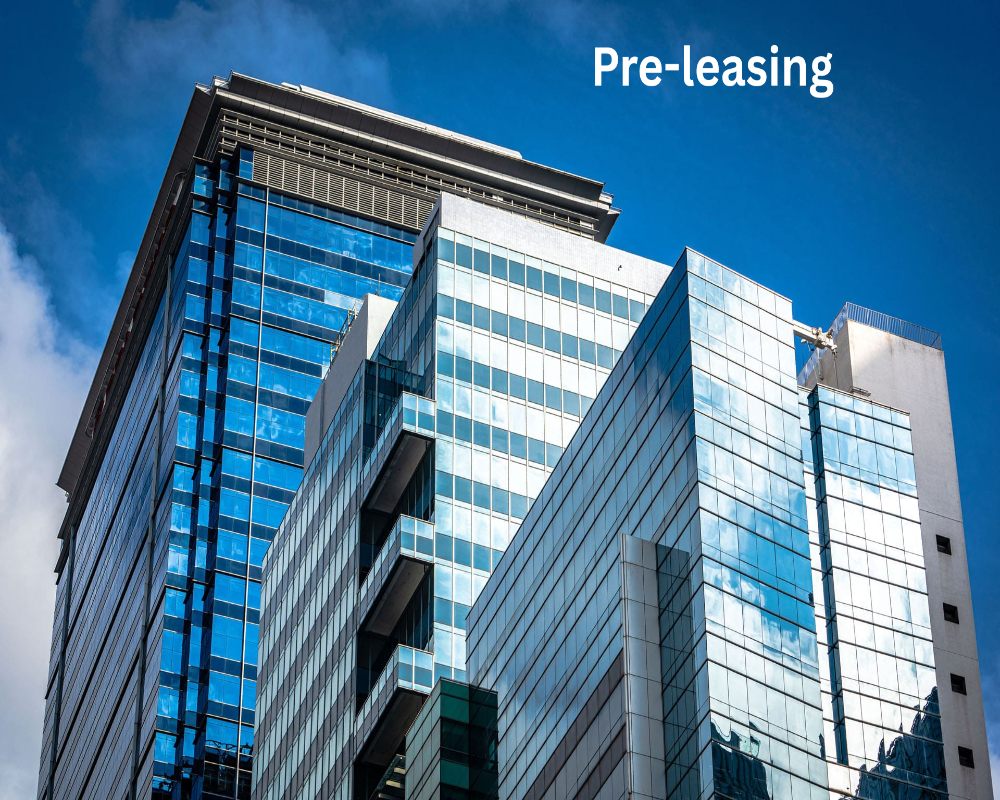
Explain pre-leasing benefits in industrial facility projects

Introduction Pre-leasing in industrial facility projects refers to the process of securing a tenant before the construction of the facility is completed or even before it begins. This approach is becoming increasingly important in modern industrial real estate development. In the build-to-lease model, developers often seek pre-leases to reduce risk, ensure financial stability, and tailor construction...

Hello LandBank

Establish lease terms in build and lease agreements

Introduction In the build-to-lease model, establishing clear and well-structured lease terms is essential for ensuring a stable relationship between the developer and the tenant. These terms form the legal and financial foundation upon which the entire agreement rests. They define the expectations, obligations, and benefits for both parties over the duration of the lease. The nature of build-to-lease...

Hello LandBank

Introduction to build and lease industrial strategies

Introduction Build-to-lease industrial strategies have emerged as a powerful model in the evolving industrial real estate landscape. This approach involves the construction of tailor-made industrial facilities that are leased to tenants under long-term agreements, rather than sold outright. It creates a win-win situation for both developers and industrial occupiers. Developers secure rental income and...

Hello LandBank

Describe facility design for build and lease projects

Introduction Facility design is a cornerstone of success in building and leasing industrial projects. These developments are driven by the specific operational requirements of the tenant, making the design process both customized and strategic. Unlike speculative buildings, build-to-lease facilities are purpose-built based on tenant inputs, ensuring that the infrastructure supports their functional...

Hello LandBank

Briefly describe tenant requirements for leased industrial facilities

Introduction Leased industrial facilities play a critical role in enabling businesses to operate efficiently without the burden of owning property. Tenants, ranging from manufacturers to logistics providers, seek industrial spaces that align with their specific operational, logistical, and regulatory needs. These requirements are vital to ensure uninterrupted processes, cost-efficiency, and future...

Hello LandBank

Detailed process of building and leasing industrial spaces

Introduction The process of building and leasing industrial spaces involves a structured series of steps designed to meet the growing demands of logistics, warehousing, and manufacturing sectors. As businesses expand, the need for custom-built infrastructure in strategic locations continues to rise. The build-to-lease model enables developers to design, construct, and lease facilities tailored to...

Hello LandBank

Define build to lease industrial investment structure

Introduction The build-to-lease industrial investment structure is a real estate development model where an investor or developer constructs a custom industrial facility for a specific tenant and leases it out under a long-term agreement. This approach combines the reliability of rental income with the benefit of property ownership, making it a popular choice in the logistics, warehousing, and...

Hello LandBank

Explain build and lease model for industrial facilities

Introduction The build-to-lease model for industrial facilities is a strategic real estate approach where a developer constructs a customized industrial unit and leases it to a tenant for a fixed period. This model bridges the gap between industrial occupiers who need tailored infrastructure and developers or investors looking for stable returns. Instead of buying or building their own facility,...

Hello LandBank

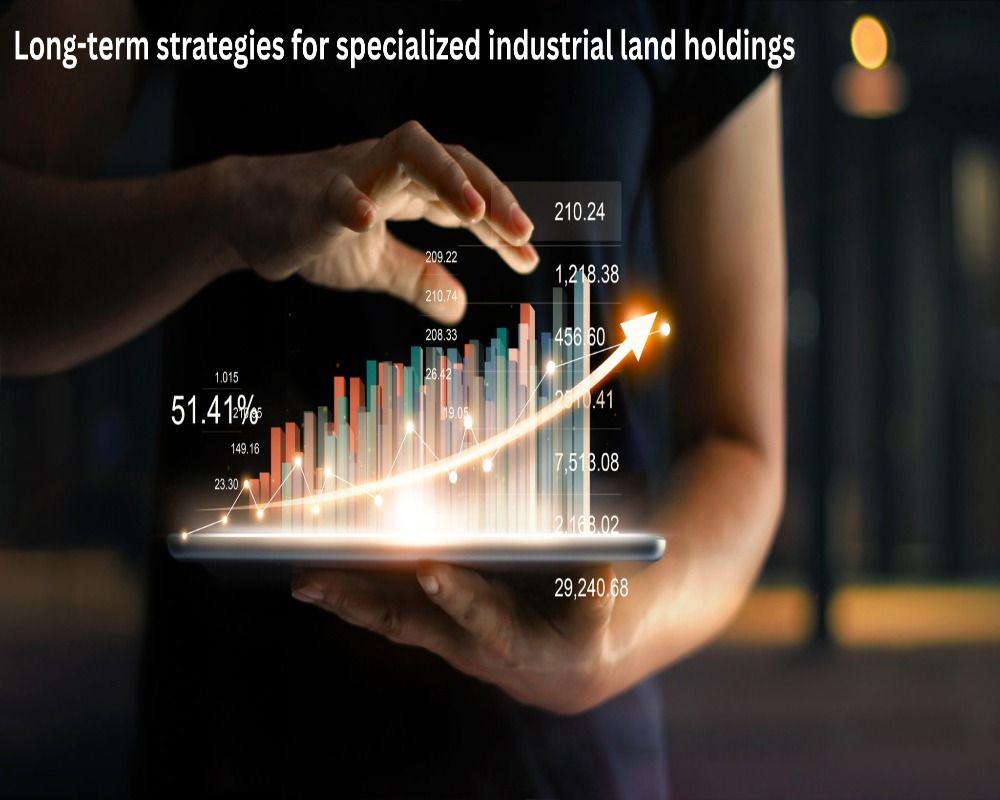
Establish long-term strategies for specialized industrial land holdings

Introduction Specialized industrial land holdings offer investors and developers a distinctive opportunity to participate in sector-specific economic growth while benefiting from infrastructure integration, policy alignment, and sustained demand. However, these advantages can only be fully realized through well-structured long-term strategies that balance capital appreciation, income generation, and...

Hello LandBank

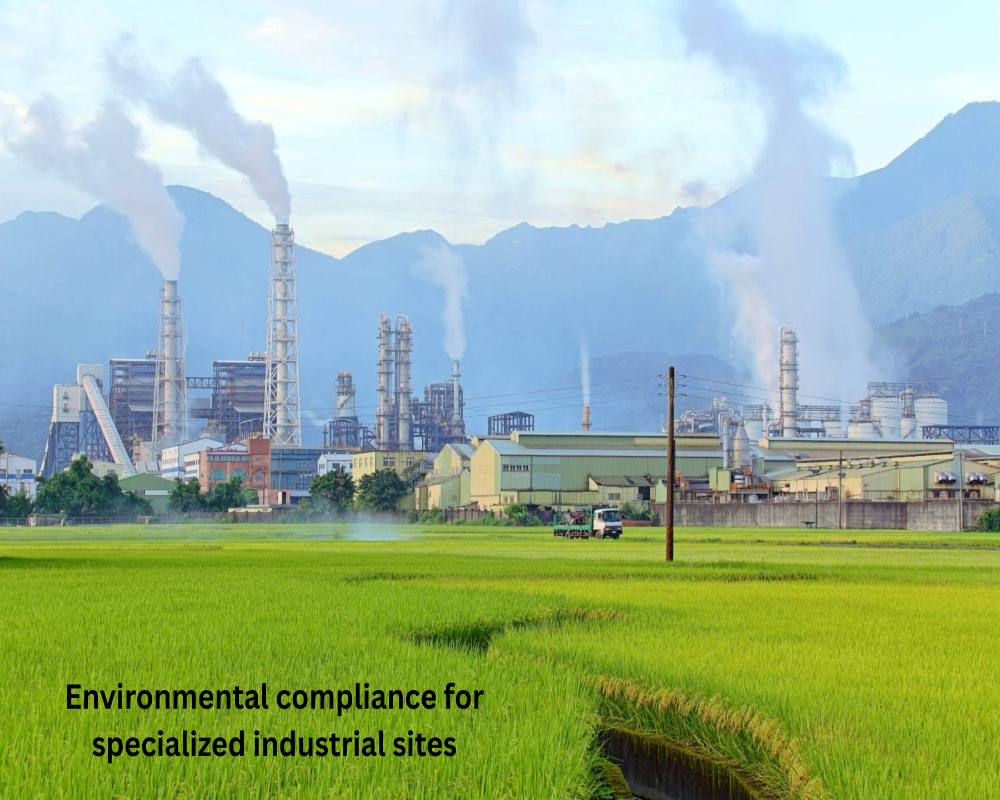
Describe environmental compliance for specialized industrial sites

Introduction Environmental compliance is a core responsibility and regulatory requirement for the development and operation of specialized industrial sites. These sites—whether focused on pharmaceuticals, chemicals, food processing, logistics, electronics manufacturing, or renewable energy—must adhere to strict environmental standards that govern emissions, waste management, water use, and...

Compare listings

Compare