Industrial Investment

Hello LandBank

What construction timelines align with market demand and leasing cycles?

Construction timelines for industrial and commercial developments must align closely with market demand patterns and tenant leasing cycles to maximize occupancy, minimize vacancy costs, and optimize return on investment. A misaligned timeline can result in missed leasing windows or delayed revenue generation. The ideal duration varies based on facility type, tenant expectations, and regional permitting...
Hello LandBank

What NNN lease structures transfer full operating cost responsibility to tenants?

NNN lease structures (Triple Net Leases) are designed to transfer nearly all operational cost responsibilities from the landlord to the tenant. These leases are common in industrial and commercial real estate where long-term, cost-stable occupancy is prioritized. The tenant pays base rent plus all variable operating costs, ensuring predictable income for the landlord and accountability for property use by...

Hello LandBank

What clearance heights and bay spacing meet Class A industrial standards?

Class A industrial standards refer to the highest tier of modern, institutional-grade warehouse and distribution facilities, which meet stringent requirements for functionality, efficiency, and tenant appeal. Among the most critical physical specifications are clearance heights and bay spacing, both of which directly affect a building’s storage capacity, equipment movement, and logistics efficiency....

Hello LandBank

What proximity to major transport routes enhances tenant appeal and rentability?

Proximity to major transport routes is a key factor influencing tenant appeal and reliability for industrial, logistics, and manufacturing facilities. Strategic access to these routes enables efficient operations and supply chain continuity. Below are the key transport proximity factors that enhance tenant preferences: 1. National and State Highways Direct access to national and state highways...

Hello LandBank

What infrastructure upgrades are required before vertical construction?

Before vertical construction can begin on an industrial or commercial development site, several infrastructure upgrades and foundational preparations must be completed to ensure structural stability, utility readiness, regulatory compliance, and safety. These upgrades form the backbone of successful project execution and help prevent costly delays or redesigns during superstructure work. 1. Site...

Hello LandBank

What submarket absorption rates support speculative building with a lease-up strategy?

Speculative building—constructing industrial facilities without a pre-committed tenant—can be financially viable if supported by strong submarket absorption rates, which indicate the pace at which new industrial space is leased within a particular area. High absorption signals active tenant demand and reduces vacancy risk, making speculative developments more attractive to investors and...

What materials and systems reduce operating costs for leased facilities?

To reduce operating costs in leased industrial facilities, developers and tenants increasingly rely on efficient materials and systems that lower energy usage, minimize maintenance, and support long-term durability. These choices not only enhance sustainability but also improve tenant satisfaction and asset performance. 1. Energy-Efficient Building Envelopes Insulated Wall Panels and Roofs: Use of...

Hello LandBank

What rent escalation clauses are common in long-term industrial leases?

Rent escalation clauses in long-term industrial leases are structured to provide predictable income growth for landlords while remaining financially manageable for tenants. These clauses are essential in protecting the real value of rental income over time, especially in leases spanning 9–15 years or longer. Below are the most common types and structures of rent escalation clauses used in industrial...

Hello LandBank

What entitlement processes must be completed before starting construction?

Before beginning construction on an industrial, commercial, or specialized site, a developer must complete a range of entitlement processes—legal, regulatory, and planning-related approvals that grant the right to develop a property for a specific use. These entitlements vary by jurisdiction but generally follow a structured sequence to ensure compliance with zoning, environmental, infrastructure, and...

Hello LandBank

 What building configurations support multi-tenant flexibility or single-user scale?

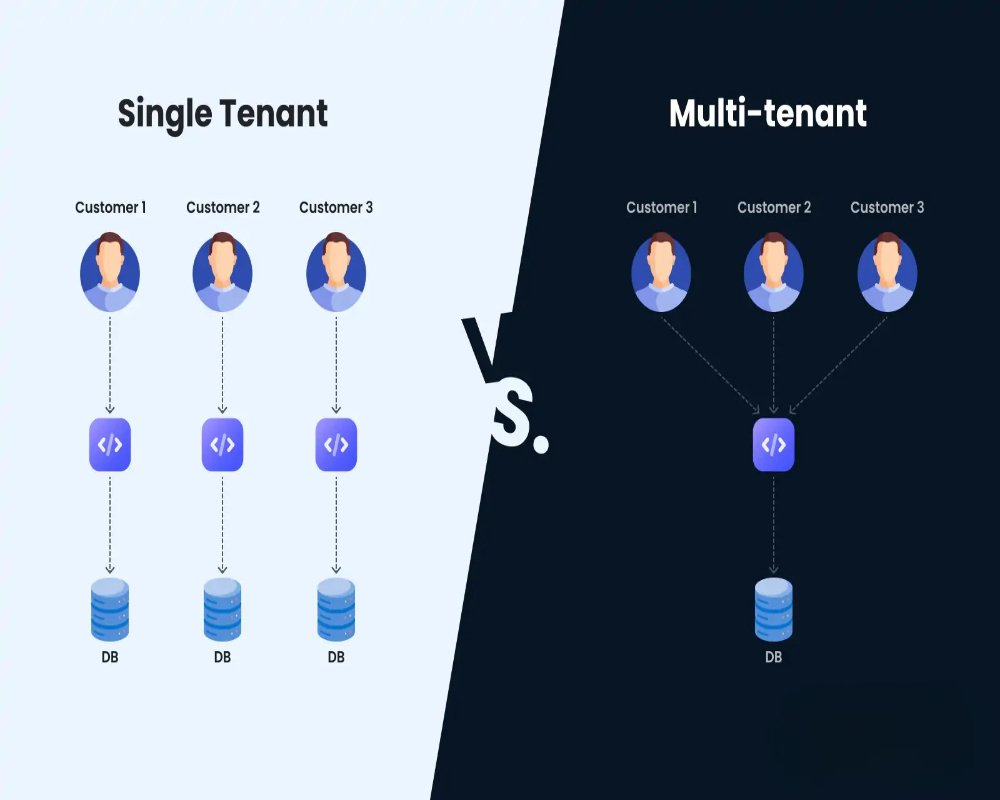
Building configurations that support multi-tenant flexibility or single-user scale must be designed with adaptability, operational separation, and scalable infrastructure. These configurations ensure that the facility can accommodate diverse tenant needs while remaining efficient for large-scale users. Below is a breakdown of how design choices align with each occupancy model: 1. Structural Grid and...

Compare listings

Compare