

Introduction
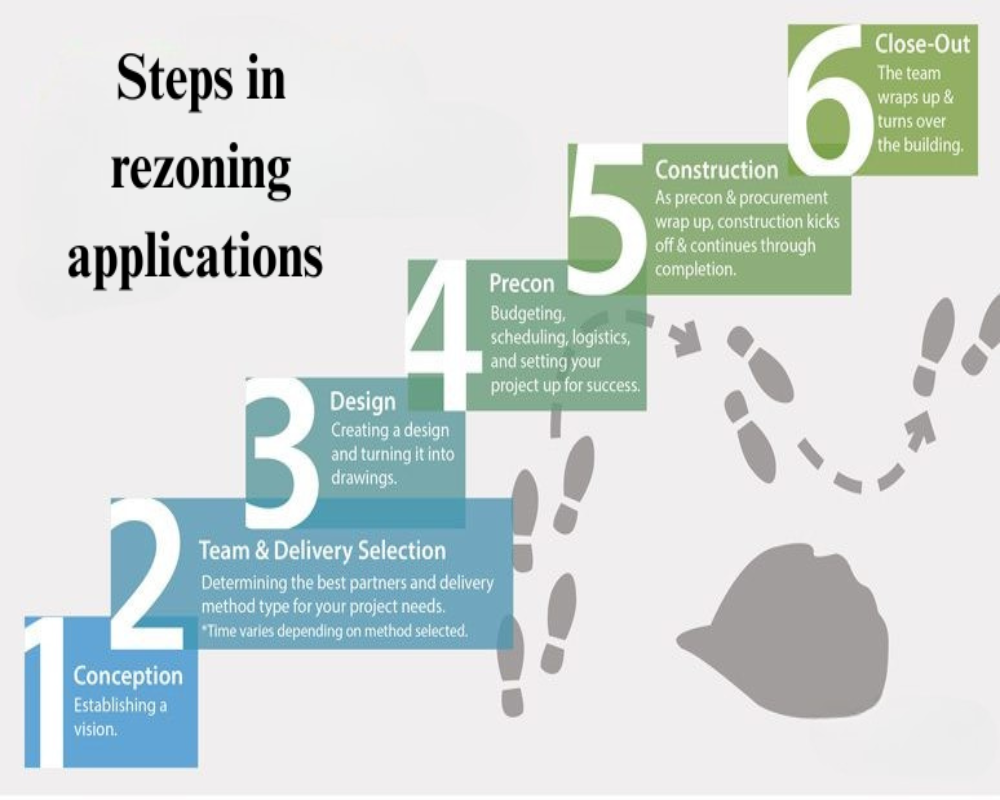
Rezoning is the process by which investors legally change the land use classification of a property to unlock higher commercial potential. It is commonly used to convert agricultural, residential, or industrial land into commercial zones to allow for business operations, retail developments, office parks, or logistics facilities. For investors, understanding and executing the rezoning process is crucial to maximizing land value and avoiding legal complications. A successful rezoning application involves regulatory compliance, community engagement, and thorough documentation. The following sections outline the key steps investors must follow to navigate the rezoning process effectively.
Initial Zoning Status Verification
The first step is to verify the land’s current zoning classification with the local planning or municipal authority. This includes reviewing zoning maps, master plans, and land use records to confirm whether the property is eligible for rezoning. Understanding the current designation helps assess the feasibility of changing it to a commercial category. This verification lays the foundation for the entire application.
Land Suitability and Feasibility Study
Investors must conduct a detailed feasibility study to evaluate if the land is suitable for commercial use. This includes assessing road access, connectivity, environmental impact, infrastructure availability, and surrounding land use. Market demand and urban growth projections are also analyzed. The study supports the application by showing that the new zoning aligns with economic and urban development goals.
Consultation with Planning Authorities
Before submitting the formal application, investors often meet with local zoning or town planning officials. This pre-application meeting helps clarify requirements, timelines, and documentation. Officials provide input on whether the proposed rezoning is likely to be approved and highlight potential objections or conditions. Early consultation reduces risk of delays and guides the application structure.
Preparation of Rezoning Proposal
Investors then prepare a formal proposal outlining the purpose and benefits of the requested zoning change. The proposal must include the type of commercial development planned, how it fits with the city’s master plan, and the anticipated impact on the neighborhood. It should also explain how infrastructure will be supported. A well-prepared proposal improves the credibility and strength of the application.
Submission of Application with Supporting Documents
The rezoning application is submitted to the appropriate municipal or urban planning authority along with required documents. These typically include land ownership records, site plans, current zoning details, environmental declarations, and NOCs (No Objection Certificates) if applicable. Application fees must also be paid at this stage. Accurate and complete documentation ensures the application proceeds without administrative delays.
Public Notice and Stakeholder Engagement
Local regulations often require the publication of a public notice informing residents and stakeholders about the proposed rezoning. This step allows nearby property owners and community members to submit objections or comments. In some cases, public hearings are held to address concerns. Effective stakeholder communication and transparency during this phase can help mitigate opposition.
Planning and Zoning Committee Review
The application is then reviewed by the zoning board or urban development committee. They evaluate the proposal against existing development policies, infrastructure capacity, and environmental sustainability. Site inspections may be conducted to verify facts. If the committee approves, it may also impose specific conditions related to road widening, parking space, or land use restrictions.
Environmental and Technical Clearances
For certain types of commercial zoning, investors may need to obtain environmental clearance or technical approvals. This includes submitting environmental impact assessments (EIA) or traffic management plans depending on the size and nature of the proposed development. These assessments ensure the project complies with ecological and public safety standards.
Rezoning Approval and Gazette Notification
Once the proposal is approved, the change in zoning status is formally recorded in municipal records. Some authorities publish the approved zoning change in a government gazette or official register. The land’s status is now officially changed to commercial, and development can begin under the new classification. Investors receive a zoning certificate or legal order confirming the reclassification.
Record Update and Next Development Steps
The final step is to update the revised land use in revenue records, title documents, and the local property registry. Investors must also apply for building permits or layout approvals as per commercial guidelines. These steps ensure the rezoning is recognized across legal and administrative systems, paving the way for compliant construction, leasing, or resale.
Conclusion
The rezoning application process is a structured pathway involving regulatory review, documentation, public engagement, and legal compliance. For investors, each step—from zoning verification and proposal drafting to committee approval and record update—is vital to ensuring the land’s successful transformation. Mastering this process allows investors to unlock commercial potential, increase land value, and pursue strategic real estate development with confidence. Rezoning, when executed diligently, is a powerful asset enhancement tool in commercial property investment.
Hashtags
#RezoningApplication #RealEstateInvesting #PropertyDevelopment #ZoningLaws #InvestmentOpportunities #UrbanPlanning #RealEstateTips #LandUse #PropertyInvestment #ZoningProcess #InvestorGuide #RealEstateStrategy #CommunityEngagement #PlanningCommission #DevelopmentApproval #RealEstateMarket #PropertyManagement #InvestmentStrategy #LocalGovernment #RealEstateNews


