Investment

Hello LandBank

What percentage of the REIT’s portfolio is allocated to raw or entitled industrial land?

The percentage of a REIT’s portfolio allocated to raw or entitled industrial land varies significantly based on the REIT’s investment strategy, stage of growth, and market positioning. However, across the industry, this percentage typically falls within a low to moderate range, due to the nature of REIT structures and income requirements. Here’s a breakdown of general allocation trends: 1....
Hello LandBank

What types of REITs specialize in industrial land and development assets?

Real Estate Investment Trusts (REITs) that specialize in industrial land and development assets focus on acquiring, managing, and developing properties used for logistics, manufacturing, distribution, and storage. These REITs cater to demand driven by e-commerce growth, supply chain expansion, and light industrial production. They vary in strategy, with some holding income-generating assets, while others...

Hello LandBank

What utility companies offer support for renewable integration into site planning?

Utility companies commonly offer various forms of support for renewable energy integration into site planning for industrial developments. These services and programs are designed to facilitate the adoption of clean energy technologies, ensure grid compatibility, and optimize energy use. The goal is to align industrial energy demand with sustainability goals while maintaining system reliability and...

Hello LandBank

What government incentives or grants are available for green industrial infrastructure?

Government incentives and grants for green industrial infrastructure are designed to encourage energy efficiency, sustainable design, pollution reduction, and the adoption of circular economy principles. These financial supports are available at the federal, state, and local levels, and may also be supplemented by public-private partnerships or utility-backed programs. Below are five major categories of...

Hello LandBank

What life cycle assessment tools guide sustainable design and operations?

Life Cycle Assessment (LCA) tools are essential for guiding sustainable design and operations in eco-industrial and green building projects. These tools evaluate the environmental impact of a product, process, or facility over its entire lifespan—from material extraction and construction to use, maintenance, and end-of-life disposal. They help developers, architects, and operators make data-driven...

Hello LandBank

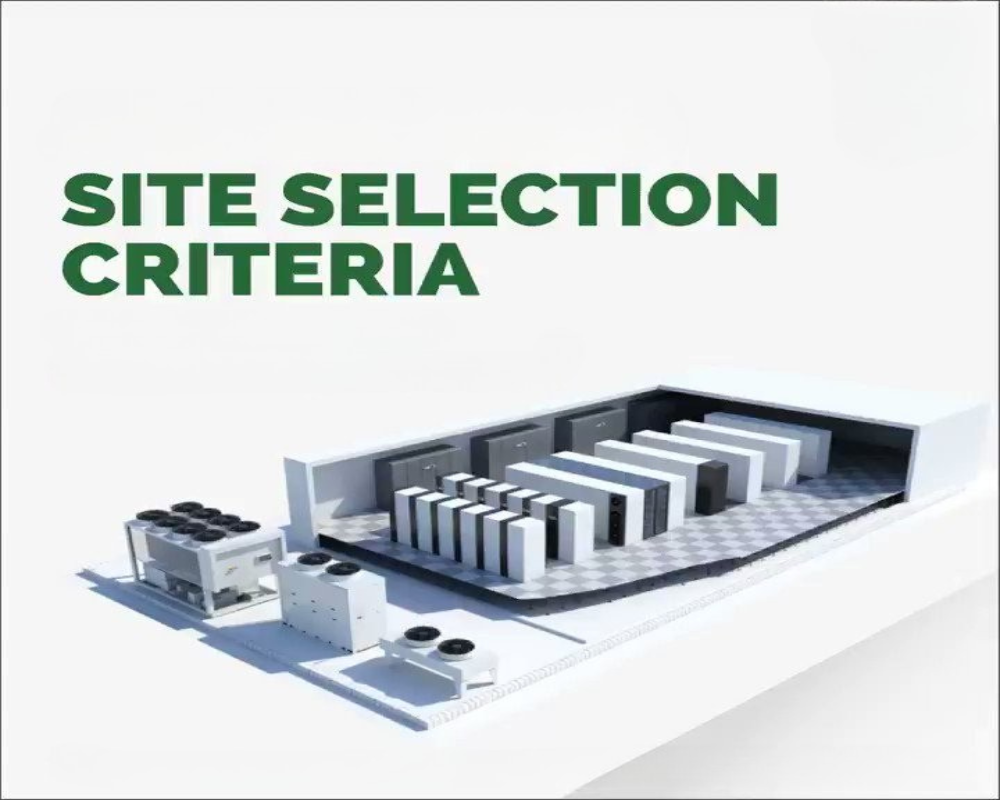
What site selection criteria align with both tenant needs and resale potential?

Site selection for commercial development must satisfy two critical objectives: meeting tenant operational needs and ensuring future resale potential. Aligning these factors requires evaluating location, infrastructure, zoning, and adaptability to accommodate both immediate occupancy and long-term investor appeal. Sites that meet both sets of criteria are more likely to attract high-quality tenants and...

Hello LandBank

What energy efficiency standards are mandated for eco-industrial development?

Energy efficiency standards for eco-industrial development are mandated at multiple levels—federal, state, and local—and are reinforced through building codes, environmental regulations, and green certification programs. These standards aim to reduce energy consumption, lower emissions, and promote the use of renewable energy in industrial operations. Below are five key categories of energy efficiency...

Hello LandBank

What site selection criteria balance industrial use and environmental sensitivity?

Selecting a site that balances industrial utility with environmental sensitivity requires a structured evaluation of physical, ecological, and regulatory factors. The goal is to identify land that meets operational needs—such as accessibility, zoning, and infrastructure—while minimizing ecological disruption, legal constraints, and long-term sustainability risks. Below are five key criteria categories...

Hello LandBank

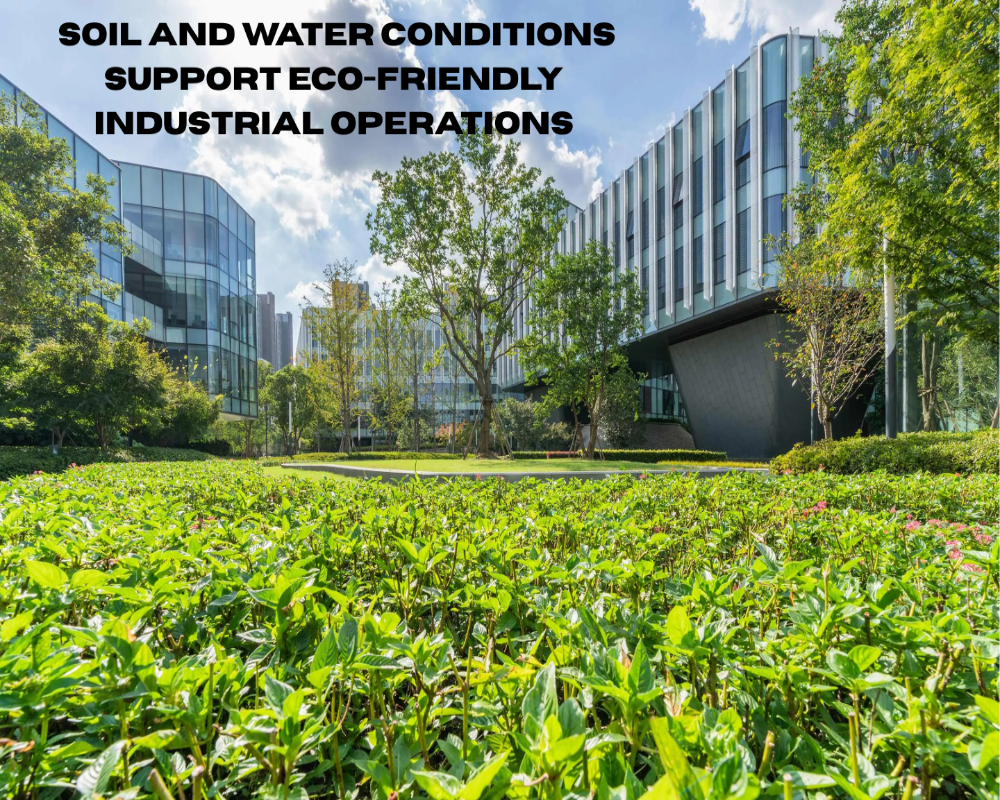
What soil and water conditions support eco-friendly industrial operations?

Eco-friendly industrial operations depend heavily on suitable soil and water conditions that support sustainable development, minimize environmental impact, and reduce long-term maintenance and compliance risks. Proper evaluation and selection of these conditions at the planning stage can significantly enhance operational efficiency, safety, and ecological integration. Below are five essential categories...

Hello LandBank

What sustainability certifications apply to eco-industrial parks (e.g., LEED, BREEAM, Eco-Industrial Park)?

Sustainability certifications for eco-industrial parks serve as formal recognition of environmentally responsible planning, construction, and operational practices. These certifications evaluate aspects such as energy use, resource efficiency, waste management, ecosystem protection, and stakeholder collaboration. They help attract environmentally conscious tenants, reduce operational costs, and improve...

Compare listings

Compare