
Blog

HelloLand Bank

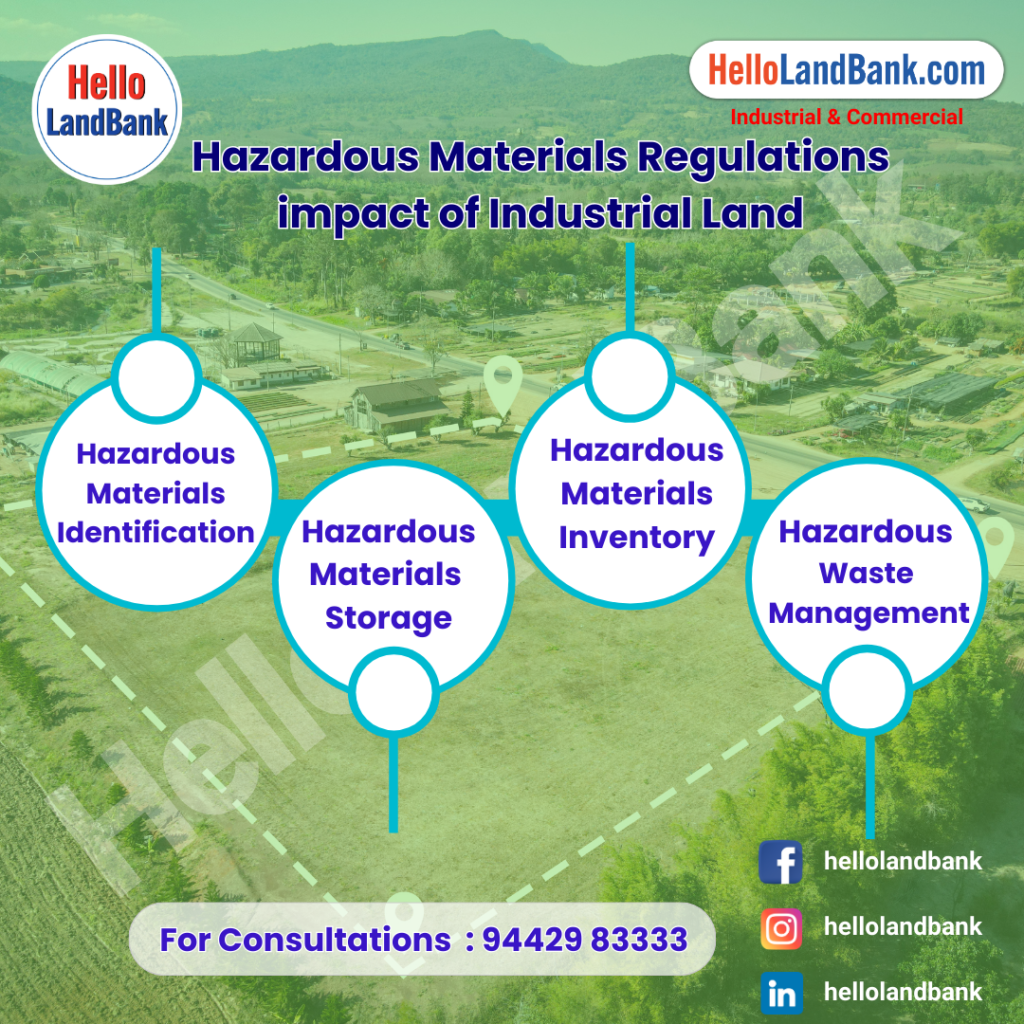
How do hazardous materials regulations impact industrial land ?

Hazardous materials regulations have a significant impact on industrial land by governing the handling, storage, transportation, disposal, and management of hazardous substances, chemicals, and materials in industrial facilities and properties. These regulations aim to protect human health, safety, and the environment from risks associated with hazardous materials, prevent accidents, spills, releases, and...
Hello LandBank

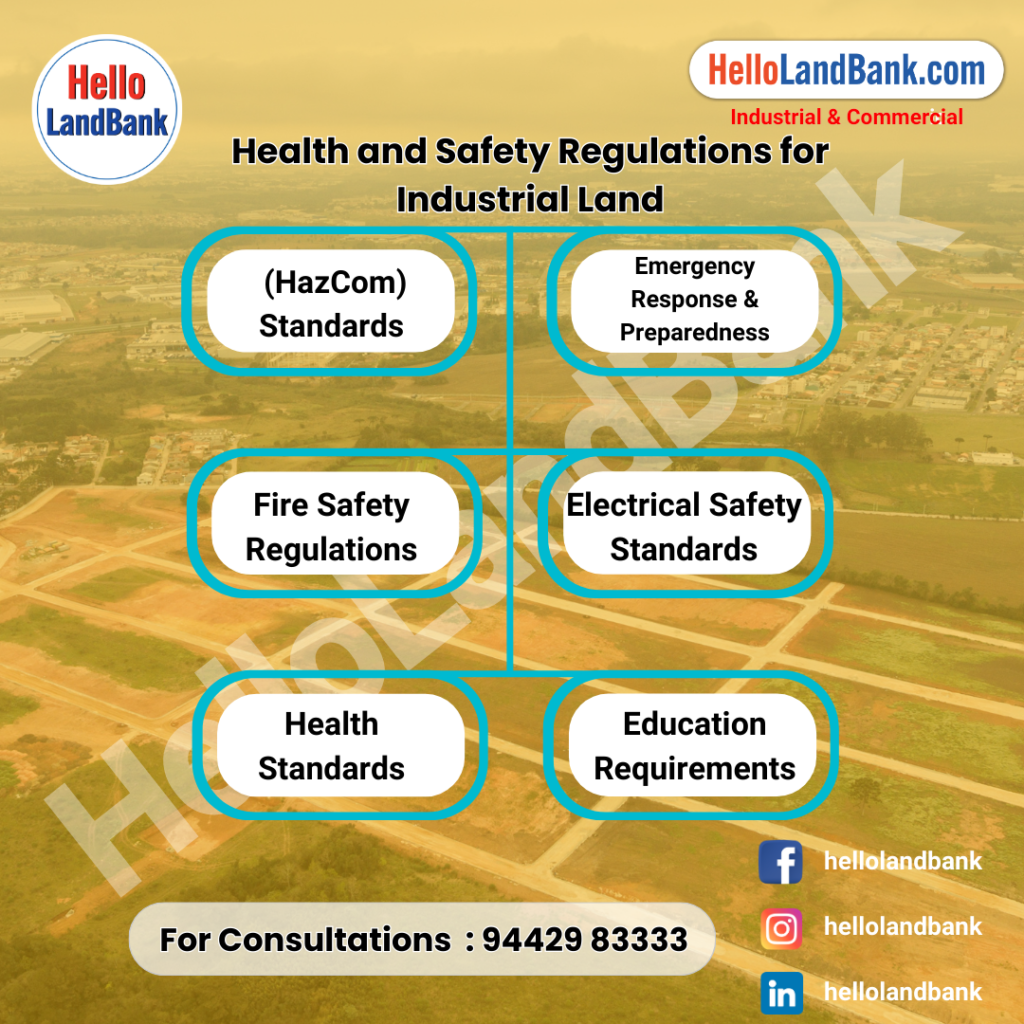
What are the health and safety regulations for industrial land ?

Health and safety regulations for industrial land aim to protect workers, visitors, and the public from hazards, risks, and injuries associated with industrial activities, operations, and facilities. These regulations establish standards, requirements, and guidelines for ensuring workplace safety, promoting occupational health, and preventing accidents, illnesses, and injuries in industrial settings. Here...

Hello LandBank

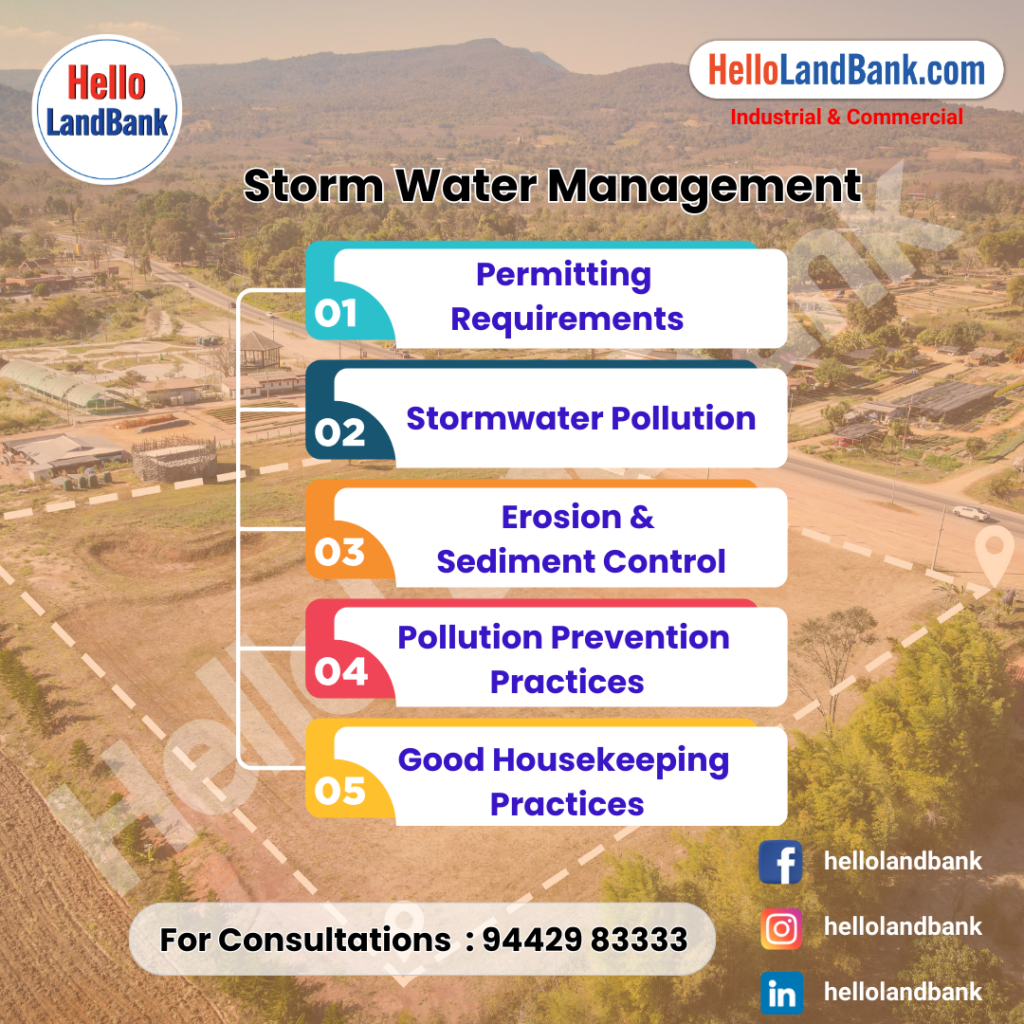
What are the Storm water management ?

Stormwater management regulations for industrial land govern the collection, treatment, control, and discharge of stormwater runoff from industrial facilities and properties to prevent pollution, protect water quality, and comply with environmental regulations. These regulations aim to minimize stormwater pollution, reduce runoff volumes, and mitigate the adverse impacts of stormwater runoff on surface...

Hello LandBank

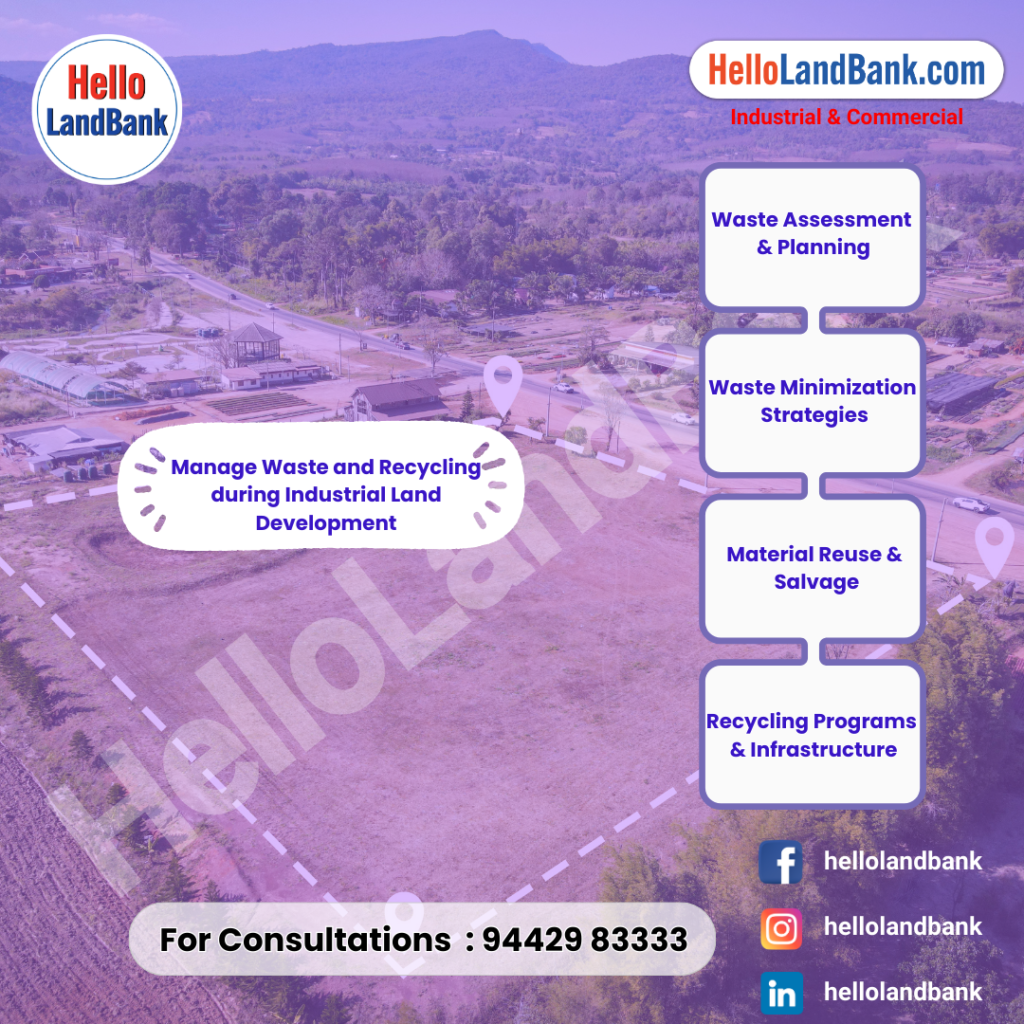
How do you manage waste and recycling during industrial land development ?

Managing waste and recycling during industrial land development involves implementing strategies, practices, and systems to minimize waste generation, maximize recycling and reuse opportunities, and ensure environmentally responsible management of construction and demolition materials. Here are steps to effectively manage waste and recycling during industrial land development: 1. Waste Assessment and...

Hello LandBank

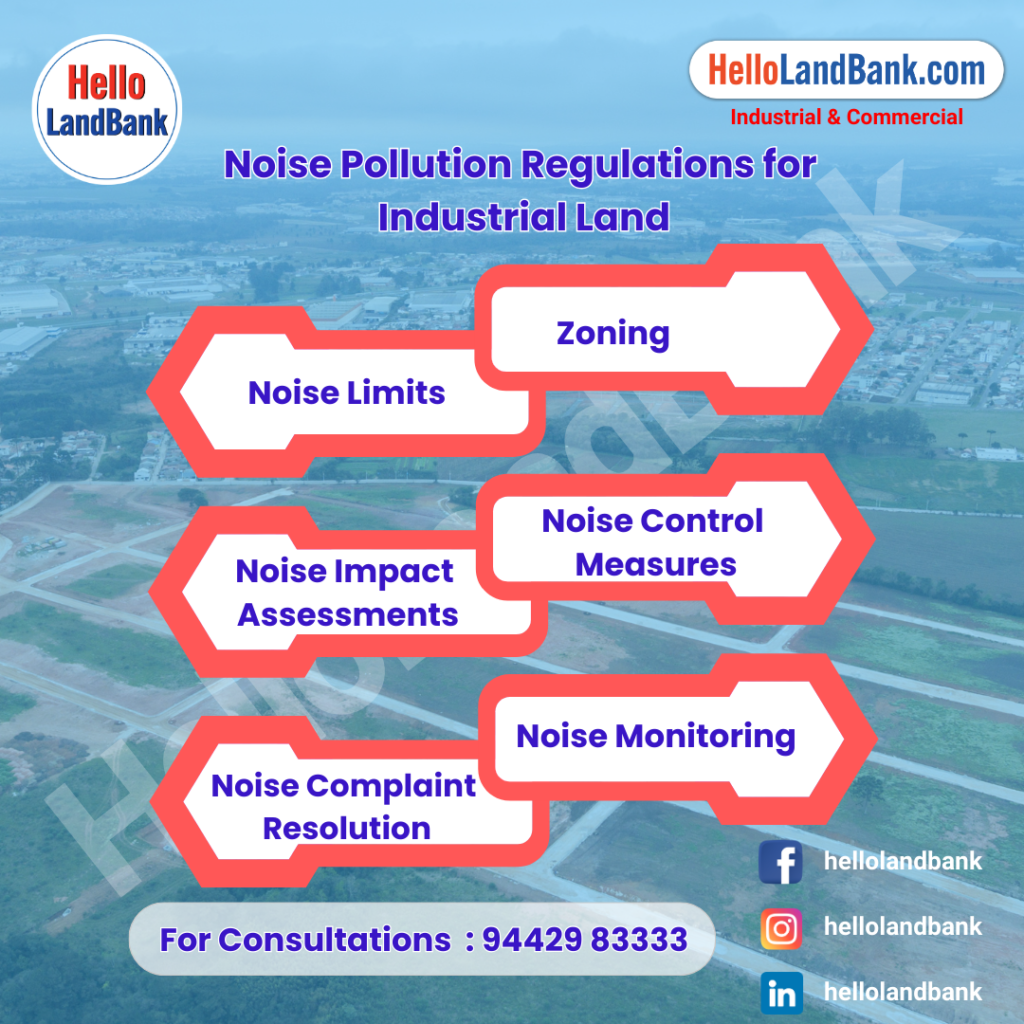
What are the noise pollution regulations for industrial land ?

 Noise pollution regulations for industrial land govern the management, control, and mitigation of noise emissions generated by industrial activities, operations, and facilities. These regulations aim to protect public health, welfare, and quality of life by establishing standards, limits, and controls to minimize noise impacts on surrounding communities, sensitive receptors, and the environment. Noise...

Hello LandBank

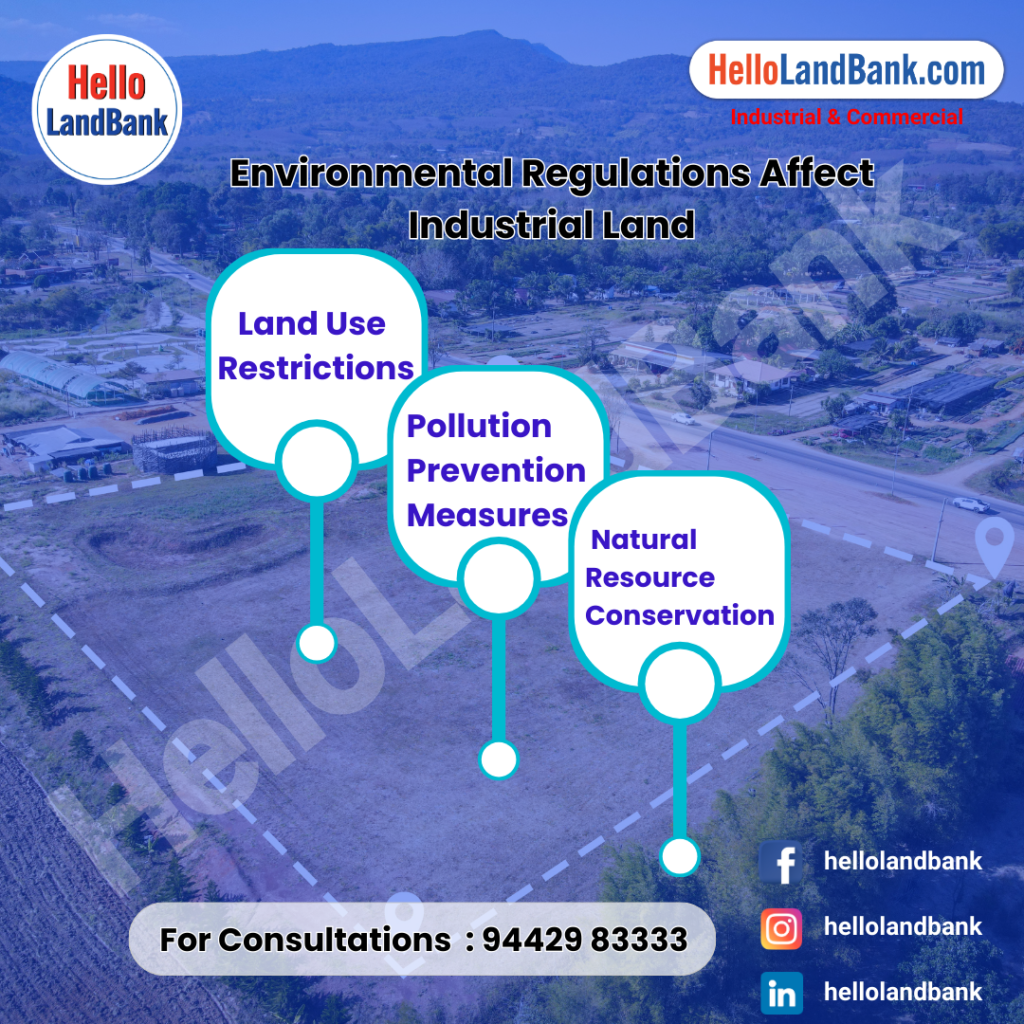
How do environmental regulations affect industrial land usage ?

Environmental regulations have a significant impact on industrial land usage by imposing requirements, restrictions, and standards aimed at protecting natural resources, safeguarding public health, and minimizing environmental impacts associated with industrial activities. Environmental regulations affect industrial land usage in several ways: 1. Land Use Restrictions: Environmental regulations...

HelloLand Bank

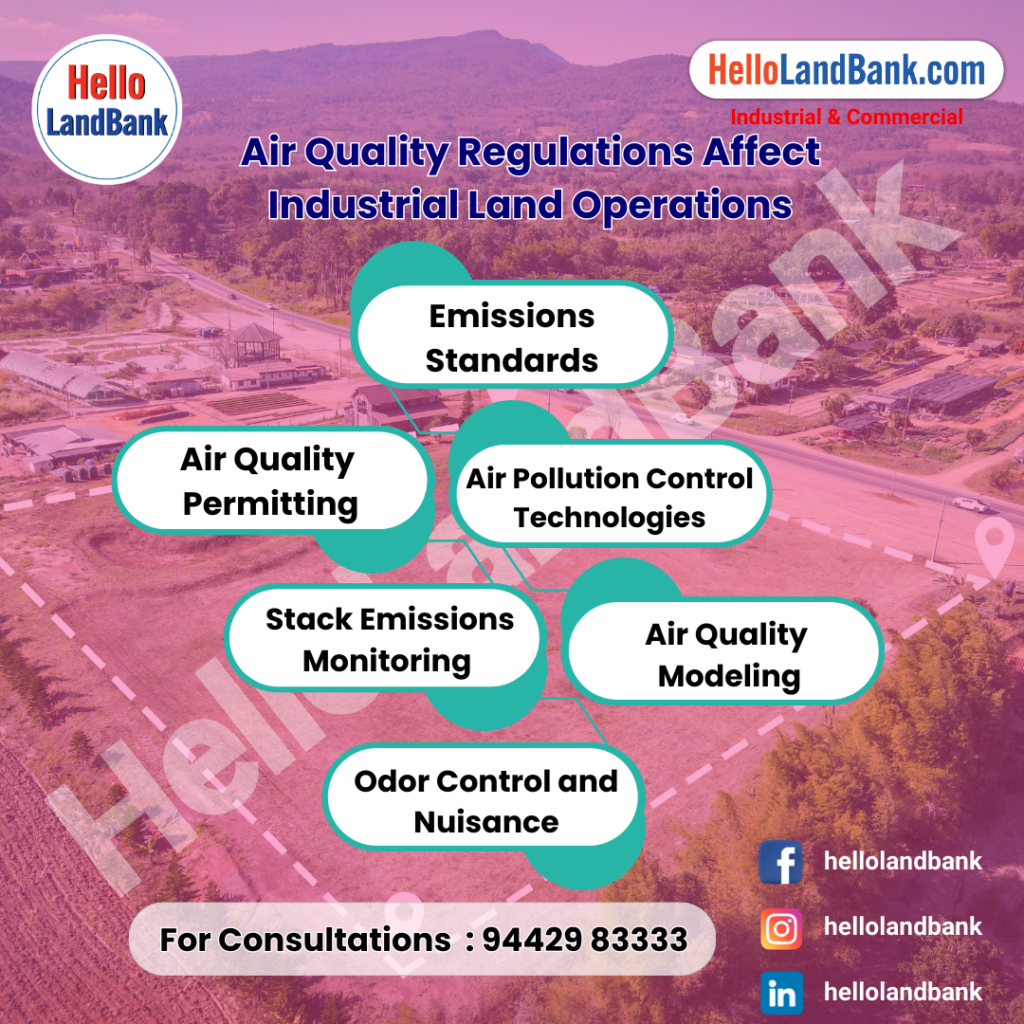
How do air quality regulations affect industrial land operations ?

Air quality regulations have a significant impact on industrial land operations by establishing requirements, standards, and controls to minimize air pollution, protect public health, and ensure compliance with environmental regulations. These regulations govern emissions of pollutants, volatile organic compounds (VOCs), particulate matter, hazardous air pollutants (HAPs), and other airborne contaminants...

Hello LandBank

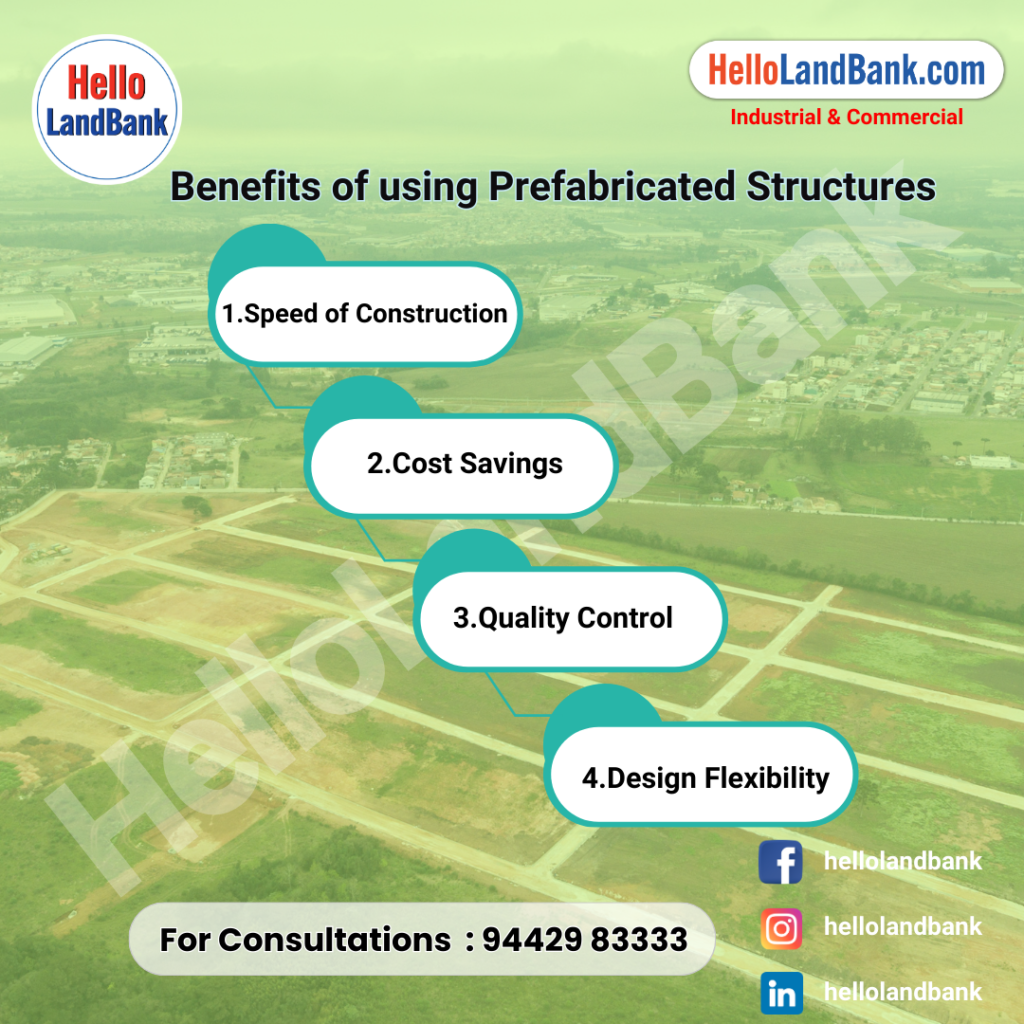
What are the benefits of using prefabricated structures on industrial land ?

Using prefabricated structures on industrial land offers various benefits that can enhance construction efficiency, cost-effectiveness, and project outcomes. Here are some of the key benefits of using prefabricated structures on industrial land: 1. Speed of Construction: Prefabricated structures are manufactured off-site in controlled factory environments, allowing for concurrent construction...

Hello LandBank

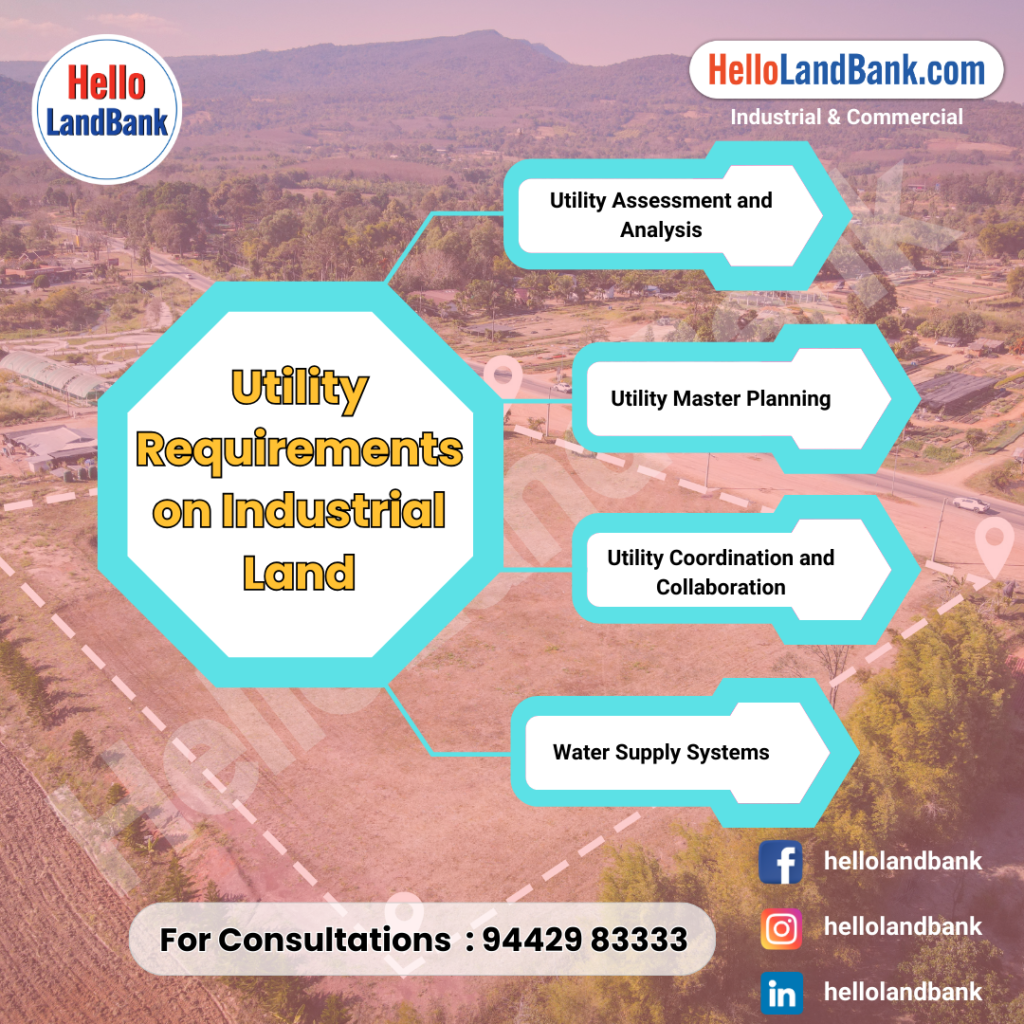
How do you address utility requirements on industrial land ?

Addressing utility requirements on industrial land involves planning, designing, and implementing utility infrastructure to support industrial operations, building systems, and occupant needs. Here are steps to address utility requirements on industrial land: 1. Utility Assessment and Analysis: Conduct a utility assessment to identify existing utility infrastructure, service providers,...

Hello LandBank

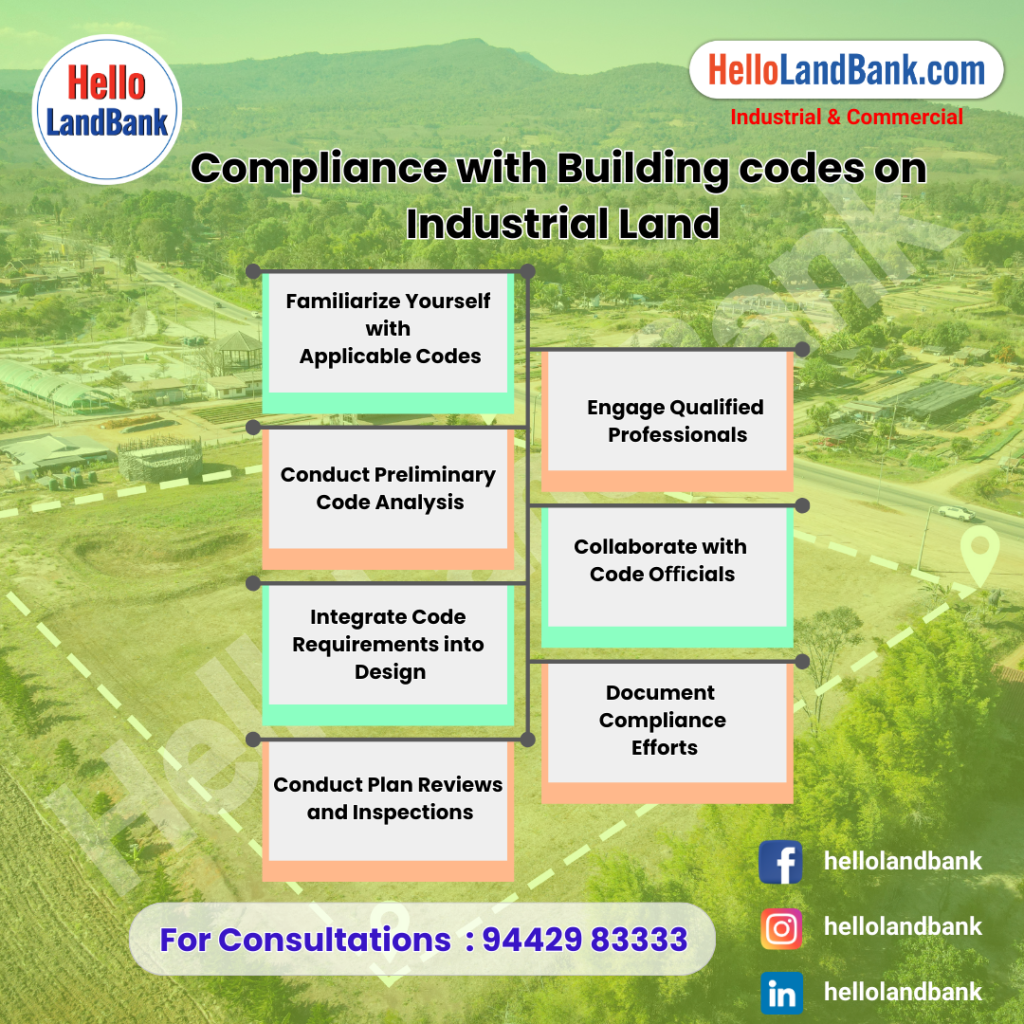
 How do you ensure compliance with building codes on industrial land ?

Ensuring compliance with building codes on industrial land is essential to safeguard the safety, structural integrity, and occupant welfare of industrial facilities. Here are steps to ensure compliance with building codes in industrial land development: 1. Familiarize Yourself with Applicable Codes: Identify and familiarize yourself with the relevant building codes, standards, and regulations...

Compare listings

Compare