

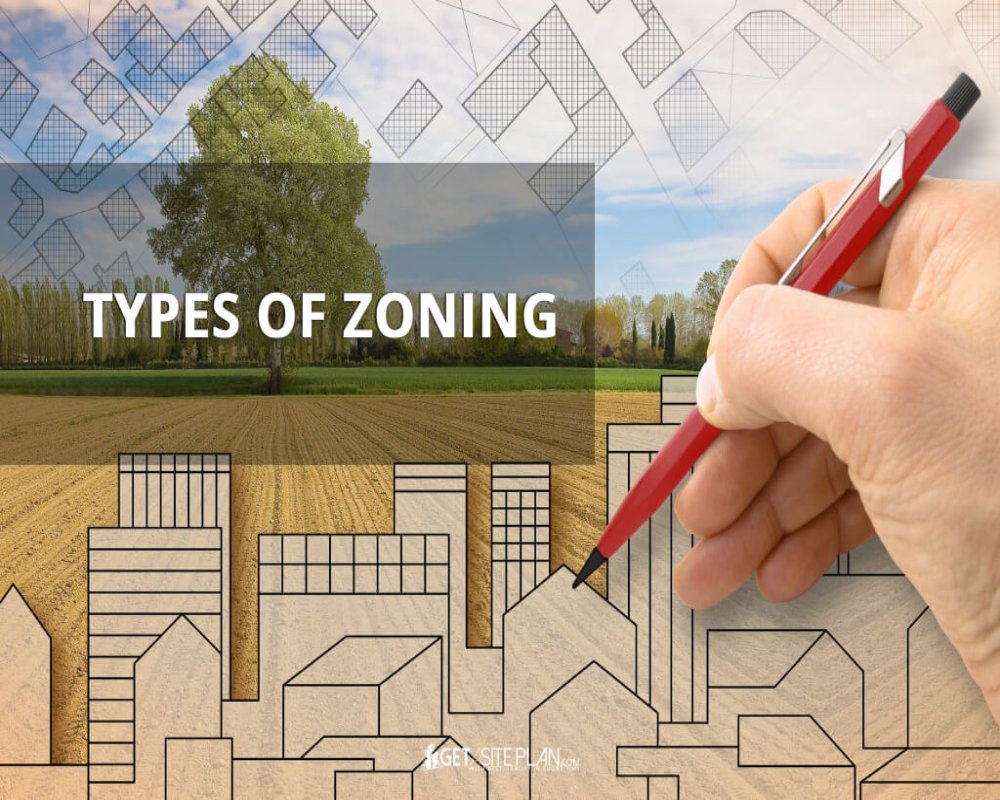
Zoning classification changes can dramatically enhance a land parcel’s utility by expanding the range of permissible uses, increasing development density, and enabling more profitable commercial activities. These changes, often part of a formal re-zoning or master plan revision process, can unlock latent value in the land and make it more attractive for developers and end-users.
1. Conversion from Agricultural to Commercial Zoning
- Allows development of retail outlets, offices, hospitality, or mixed-use facilities
- Transforms land from restricted-use (low ROI) to income-generating assets
- Facilitates eligibility for municipal services, road access, and utilities
- Enables sale or lease to developers in urbanizing corridors
- Aligns with state industrial or economic growth corridors
2. Change from Residential to Mixed-Use Zoning
- Permits integration of commercial, residential, and institutional uses
- Supports retail and office development in emerging urban centers
- Encourages higher density, walkable developments near transit hubs
- Increases developer interest due to flexible project options
- Enhances neighborhood value with vibrant, multi-purpose spaces
3. Upgrade from Low-Density to High-Density Commercial
- Raises Floor Space Index (FSI) or Floor Area Ratio (FAR) limits
- Allows vertical expansion—ideal for office towers, malls, or complexes
- Supports the inclusion of amenities like parking structures or food courts
- Attracts corporate or institutional buyers with large space requirements
- Maximizes land utilization in core business districts
4. Reclassification to Special Economic or Institutional Zones
- Enables the development of IT parks, logistics centers, hospitals, or universities
- Attracts government or multinational funding through designated incentives
- Offers tax and regulatory benefits for infrastructure investment
- Increases strategic significance in public-private development models
- Reduces compliance burdens under special planning frameworks
5. Transit-Oriented Development (TOD) Designation
- Promotes compact, pedestrian-friendly commercial projects near transit hubs
- Encourages ground-floor retail with upper-level office or residential uses
- Facilitates premium pricing due to accessibility and visibility
- Allows relaxed parking and setback norms to boost buildable area
- Aligns with urban sustainability and smart city initiatives
Each zoning upgrade must be pursued with supporting documents, stakeholder consultation, and adherence to local planning authority procedures. Once granted, such changes can multiply the land’s development and income potential, making it suitable for broader investor and market interest.


