

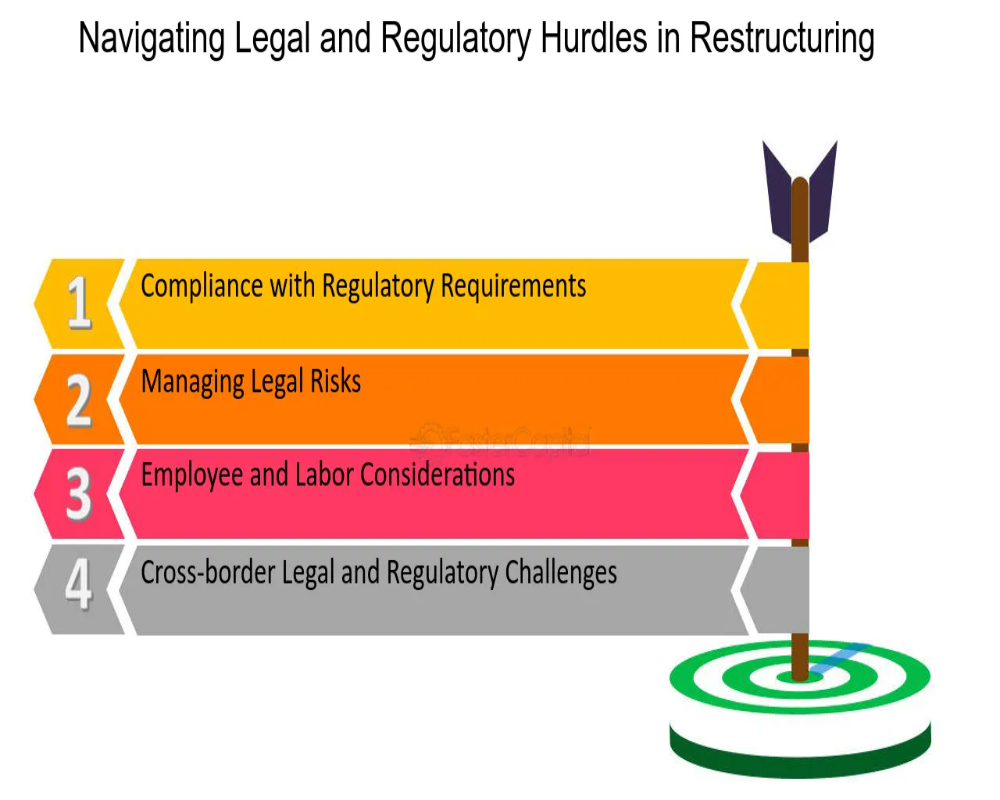
Before initiating commercial entitlement for undeveloped land, several legal hurdles must be thoroughly addressed. Entitlement refers to the legal process of obtaining approvals to develop a parcel for a specific commercial use. Clearing these hurdles is crucial to avoid regulatory delays, financial losses, and potential project shutdowns.
1. Title Verification and Ownership
- Confirm the land has a marketable and clear title.
- Ensure the chain of title is traceable and legally valid.
- Rule out any encumbrances, liens, or third-party claims.
- Verify the identity and authority of the current owner.
- Obtain a legal opinion and conduct due diligence through a certified property lawyer.
2. Zoning and Land Use Compliance
- Ensure the land is zoned for commercial or mixed-use development.
- Apply for rezoning or land use change if the current designation differs.
- Check the master plan and regional development policies.
- Adhere to the Floor Space Index (FSI) and permissible building heights.
- Confirm alignment with local urban planning regulations.
3. Environmental and Civic Clearances
- Obtain Environmental Clearance (EC) if required under law.
- Conduct and submit Environmental Impact Assessments (EIA) for large-scale projects.
- Seek permissions from the Pollution Control Boards (state or central).
- Ensure compliance with water body, forest, or coastal zone regulations.
- Avoid violation of ecologically sensitive zone restrictions.
4. Development and Building Approvals
- Apply for planning permission from local development authorities.
- Get sanctioned building plans and layout approvals.
- Acquire no-objection certificates (NOCs) from fire, traffic, airport, and utility departments.
- Ensure adherence to municipal building codes and safety norms.
- Secure provisional and final building permits before construction.
5. Land Conversion and Tax Compliance
- Convert agricultural land to commercial classification where applicable.
- Pay requisite land conversion charges and obtain government approval.
- Ensure payment of property taxes, revenue dues, and compliance with GST regulations.
- Get the mutation done in the revenue records post-acquisition.
- Record the land in the name of the developer or entity before starting entitlement procedures.
Successfully navigating these legal hurdles ensures that the commercial land is legally fit for development and sale. Failing to comply with any stage can result in delays, penalties, or complete revocation of rights to develop.


