

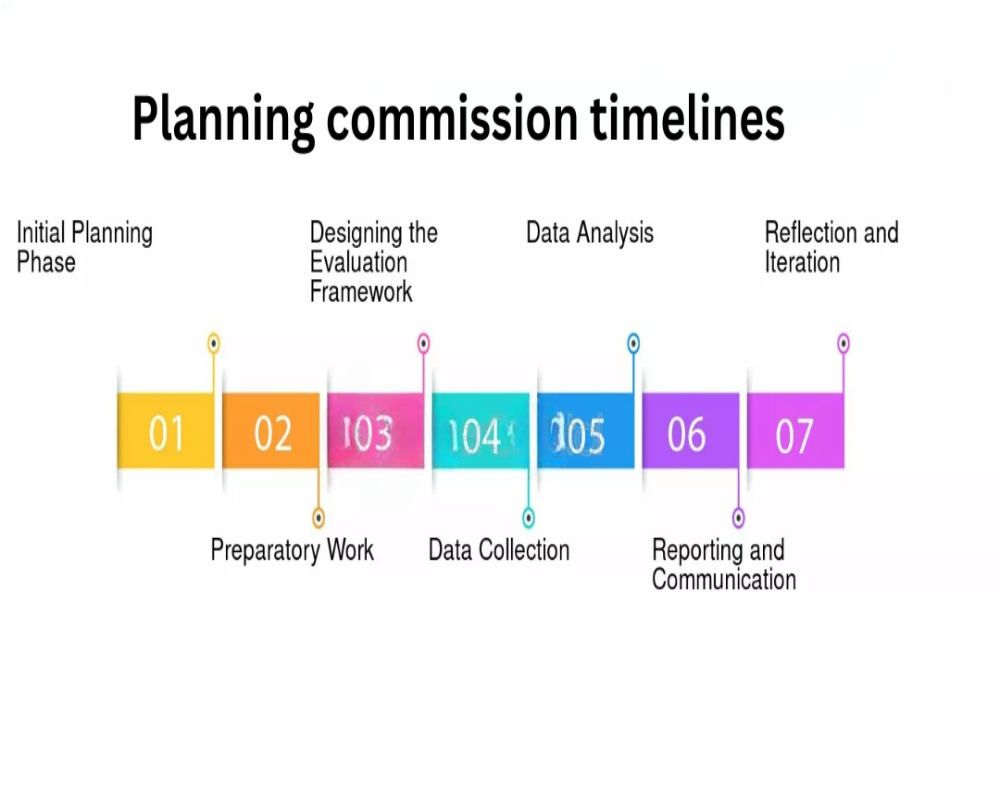
The planning commission plays a central role in reviewing and recommending zoning change applications. The timelines they follow—based on statutory, administrative, and procedural calendars—directly influence how quickly a rezoning request is processed and approved. Delays or fast-tracks at this stage can significantly affect project timelines, investment decisions, and land pricing.
Below are the key planning commission timeline factors that affect rezoning approval speeds
1. Scheduled Meeting Cycles
- Most planning commissions meet on a monthly or bi-monthly basis.
- If your application misses a cut-off date for a particular month, it is rolled over to the next scheduled meeting.
- Submission deadlines are typically 2–4 weeks before the meeting to allow time for staff review.
2. Application Review Period
- After submission, the commission requires time for:
- Initial technical review
- Site inspection
- Coordination with other departments (e.g., roads, water, environment)
- Initial technical review
- This phase can take 30 to 90 days, depending on workload and project complexity.
3. Public Notification and Hearing Window
- State laws mandate a public notice period before any zoning decision:
- Typically, 15 to 30 days.
- Includes newspaper ads, signage on-site, or letters to neighboring landowners.
- Typically, 15 to 30 days.
- Public hearings may be held in the same month or pushed to the next available session.
4. Post-Hearing Recommendation to Governing Body
- After the hearing, the planning commission makes a formal recommendation to the municipal or district governing authority (e.g., city council, ULB).
- This body typically has its meeting schedule and approval workflow.
- An additional 10–45 days may be required after the planning commission’s decision.
5. Appeal or Reconsideration Timelines (if applicable)
- If there is public opposition or if the application is denied, timelines may be extended due to:
- Objection resolution hearings
- Modifications to the proposal
- Legal reviews or appeals
- Objection resolution hearings
- These delays can add 30–90 days or more to the process.